Most homeowners don’t spend much time thinking about their water softener. It’s not exactly a conversation starter. It sits quietly in the garage, utility room, or basement doing its thing while life moves on. Yet, when it works properly, it can make a noticeable difference. Showers feel better, dishes look cleaner, laundry feels softer, and plumbing fixtures stay in better shape.
The funny thing is that many people only become interested in their softener when something seems wrong. Maybe the salt disappears too quickly. Maybe hard water spots start showing up again. Or maybe the water just doesn’t feel quite the same. At that point, understanding a few basics can go a long way.
Why Water Softeners Matter More Than People Realize
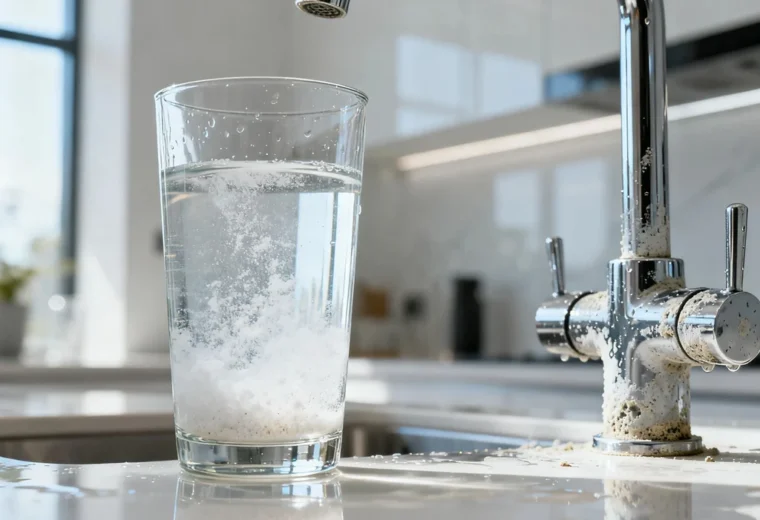
Hard water contains minerals like calcium and magnesium. These minerals are harmless to drink, but they can be surprisingly frustrating around the house. They leave spots on glassware, create scale buildup in pipes, reduce soap performance, and make appliances work harder than they should.
A water softener helps remove those minerals before they travel through the home. The result is water that behaves differently. Soap lathers more easily. Fixtures stay cleaner. Appliances often perform more efficiently. It’s one of those improvements that quietly affects dozens of daily routines without demanding attention.
Efficiency Is About More Than Saving Water
When homeowners think about efficiency, they often focus on energy bills or appliance ratings. But water treatment systems have their own efficiency story. A properly configured softener should deliver soft water without wasting unnecessary amounts of salt or water during regeneration.
Good water usage efficiency means the system is regenerating at the right time and using only the resources needed to maintain performance. If a softener cycles too often, it can waste salt and water. If it waits too long, hard water may begin slipping through.
Modern demand-based systems are particularly useful because they respond to actual household water use instead of following a fixed schedule. That flexibility can improve overall performance while reducing waste.
Understanding the Role of Resin
Inside every traditional softener is a tank filled with tiny resin beads. These beads are the real workhorses of the system. As hard water flows through them, they attract and capture hardness minerals while releasing sodium or potassium ions into the water.
The amount of hardness the resin can remove before regeneration is known as resin capacity. Think of it like a battery. It has a certain amount of stored ability to soften water before it needs recharging.
Several factors influence capacity, including water hardness, system size, household usage, and regeneration settings. A larger family may use capacity more quickly than a smaller household. Similarly, homes with very hard water may require more frequent regeneration.
Understanding this concept helps explain why two homes with similar softeners can have completely different regeneration schedules.
The Hidden Cost of Poor Settings
One of the most overlooked issues with water softeners is incorrect programming. If the hardness level is entered incorrectly, the system may regenerate too often or not often enough. Either situation creates problems.
Too many cycles increase salt consumption and water use. Too few cycles allow hardness minerals to pass through untreated. Neither outcome is ideal.
This is why professional setup matters. A softener should be calibrated to the actual water conditions and household needs. It’s not simply a matter of plugging it in and hoping for the best.
Small Maintenance Tasks Make a Big Difference
Many homeowners assume a water softener requires no attention after installation. While these systems are fairly low-maintenance, they still benefit from regular care.
Routine system maintenance includes checking salt levels, looking for salt bridges, cleaning the brine tank when necessary, and ensuring the control settings remain accurate. These simple tasks help prevent performance issues and extend the life of the equipment.
It’s a bit like changing the oil in a car. Ignore it long enough, and small issues can grow into larger ones. Stay on top of it, and the system can run smoothly for years.
Signs Your Softener May Need Attention
A water softener often gives subtle warnings when something is not right. You may notice soap no longer lathers as well. Glassware develops spots again. Laundry feels stiff. Scale starts appearing around faucets and showerheads.
Sometimes the cause is simple, such as low salt levels. Other times, it may involve worn resin, clogged components, or incorrect settings. Either way, paying attention to these signs can prevent bigger problems down the road.
The earlier issues are addressed, the easier and less expensive they tend to be.
Technology Has Improved Water Treatment
Today’s softeners are smarter than older models. Many include digital controls, demand-based regeneration, efficiency monitoring, and diagnostic features. Some can even alert homeowners when service is needed.
These advancements help systems operate more efficiently while reducing unnecessary salt and water consumption. They also make ownership simpler because the system handles many adjustments automatically.
Still, even advanced technology works best when paired with proper setup and occasional maintenance.
Better Performance Starts With Understanding the Basics
A water softener does not need to be complicated. At its core, it is a system designed to make water easier on your home, appliances, and daily routines. Understanding how efficiency, resin performance, and maintenance work together helps homeowners get the most value from their investment.
When a softener is properly configured and cared for, it quietly improves life behind the scenes. The dishes stay cleaner, the water feels better, and appliances face less stress. It may not be the most exciting equipment in the house, but it’s certainly one of the most useful.