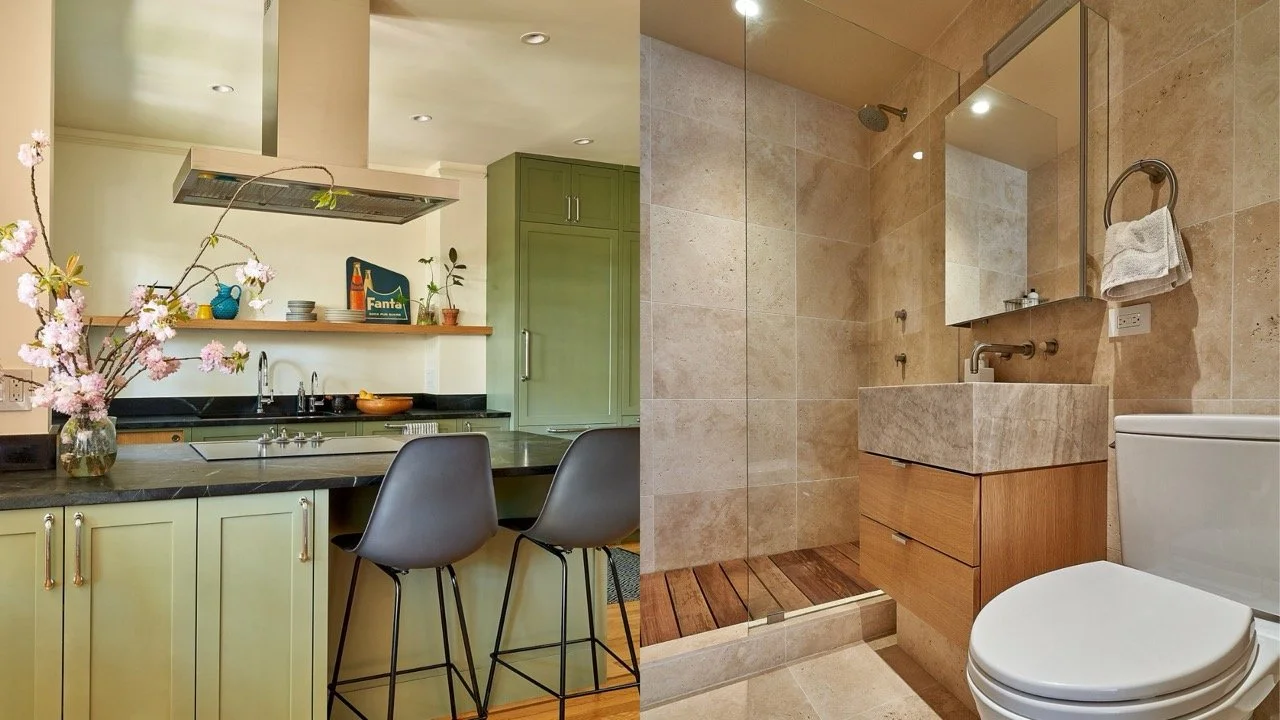
A home doesn’t have to be falling apart before it deserves a little attention. Sometimes, the kitchen feels cramped when everyone gathers for dinner. The bathroom has outdated fixtures that are difficult to clean, or the living room simply doesn’t work for the way the family spends time together anymore. These everyday frustrations may seem small, but over time, they can make a home feel less comfortable than it should.
That’s where a well-planned renovation can make a real difference. The goal isn’t necessarily to create a picture-perfect house or follow every new design trend. It’s about making the space more useful, comfortable, and suited to the people who live there. With the right planning, remodeling and renovations can improve both the appearance of a home and the experience of living in it.
Start With What Isn’t Working
Before choosing paint colors, flooring, or new cabinets, take a moment to think about the problems you want to solve. A room may look dated, but its layout could be the bigger issue. A hallway might feel narrow because furniture blocks the natural walking path. Storage may be insufficient, or poor lighting might make an otherwise attractive room feel gloomy.
Write down the things that bother you most. It sounds simple, but this step helps prevent spending money on cosmetic changes while ignoring the underlying problem.
It can also help to observe how the household uses each room throughout the day. If several people cook at once, counter space and movement between appliances may matter more than decorative finishes. If the family often hosts guests, an open dining area or better lighting might be a higher priority. Renovation decisions become easier when they’re based on real routines rather than ideas that merely look appealing online.
Give the Kitchen Room to Work
The kitchen often becomes the busiest room in a home. It’s where breakfast happens in a hurry, groceries get unpacked, and conversations continue long after dinner is finished. When the space is poorly arranged, even ordinary tasks can feel unnecessarily complicated.
Thoughtful kitchen renovations can make the room easier to use without requiring an extravagant redesign. For example, adding pull-out shelves can make deep cabinets more practical, while under-cabinet lighting helps illuminate work surfaces. Replacing worn countertops or updating cabinet doors may also refresh the room without changing every component.
Layout deserves particular attention. The refrigerator, sink, and cooking area should work together in a way that makes sense for the people using them. There should be enough room to open drawers, move around safely, and prepare food without constantly bumping into someone else.
Storage is another detail that can have a surprisingly large impact. Deep drawers for pots and pans, a dedicated pantry area, or a small appliance cupboard can reduce clutter on countertops. These improvements aren’t always dramatic in photographs, but they can make daily life noticeably easier.
Make the Bathroom More Comfortable
Bathrooms are often smaller than other rooms, yet they have a major effect on how comfortable a home feels. An outdated shower, limited storage, poor ventilation, or slippery flooring can turn a basic daily routine into a source of frustration.
A successful bathroom remodeling project should balance appearance with practical needs. Water-resistant materials, dependable fixtures, adequate lighting, and accessible storage are all worth considering. A vanity with drawers may be more useful than one with a large open cabinet, particularly when several people share the space.
Ventilation should never be treated as an afterthought. Excess moisture can contribute to peeling paint, unpleasant odors, and mold growth. A properly sized exhaust fan, combined with suitable installation and regular use, helps control humidity and protects the room over time.
Think carefully about the shower or bathtub as well. A walk-in shower may create a more open feeling, while a bathtub can be important for households with young children or people who enjoy soaking. There isn’t one correct answer for every home. The best choice depends on available space, household needs, and budget.
Set a Budget Before Work Begins
Renovation budgets can become difficult to manage when decisions are made one at a time. A few extra upgrades may seem affordable individually, but their combined cost can add up quickly.
Start by setting a realistic spending limit and dividing it into categories such as labor, materials, fixtures, permits, and finishing work. Obtain written estimates that clearly describe what is included. If one estimate is significantly lower than the others, ask questions before assuming it represents better value. Different contractors may be quoting different materials, project scopes, or levels of preparation.
It’s also sensible to reserve part of the budget for unexpected issues. Opening a wall or removing old flooring can reveal damaged pipes, outdated wiring, water damage, or other problems that weren’t visible during the initial inspection. A contingency fund provides some breathing room when repairs become necessary.
If the project needs to be scaled back, prioritize improvements that affect safety, durability, and everyday use. Decorative upgrades can often wait. Sound plumbing, reliable electrical work, and proper waterproofing are much harder to postpone once construction has started.
Choose Materials for Real Life
Beautiful materials are appealing, but they also need to suit the household. A delicate surface may require more maintenance than a busy family can manage. Dark flooring might look elegant but show dust in certain lighting, while highly textured finishes can be difficult to clean.
Consider how much wear each surface will receive. Kitchens and bathrooms benefit from materials designed to handle moisture, frequent cleaning, and temperature changes. In living areas, flooring should match the level of foot traffic and the amount of upkeep you’re comfortable doing.
Durability doesn’t always mean choosing the most expensive option. Sometimes, a moderately priced product with a strong reputation and straightforward maintenance is a more sensible investment than a premium finish that requires special care.
It’s helpful to see samples in the actual room before making a final decision. Lighting changes how colors and textures appear, and a sample that looks perfect in a showroom may feel entirely different at home. If possible, view materials at different times of day.
Find Professionals Who Communicate Clearly
Even a well-designed project can become stressful if communication breaks down. Before hiring a contractor, review relevant experience, ask for references, and confirm that the professional has the required licensing and insurance for the work in your area.
A clear written agreement should outline the project scope, expected schedule, payment terms, materials, and how changes will be handled. Ask who will be responsible for obtaining permits and coordinating subcontractors when those tasks apply.
Good communication matters throughout construction. Regular updates help you understand what has been completed, what comes next, and whether any decisions are needed. Changes sometimes become unavoidable, but they should be discussed before additional work is carried out whenever possible.
You should also expect some disruption. Depending on the project, a kitchen may be unavailable for several days or a bathroom may need to remain out of service while work is completed. Planning simple meals, temporary washing arrangements, and a safe construction-free area can make the process easier on everyone.
Create a Home That Suits You
A renovation doesn’t have to transform every room to be worthwhile. One carefully improved space can make the entire home feel more functional. Better storage may reduce clutter, improved lighting can change the atmosphere, and a more practical layout can make everyday routines less tiring.
The most satisfying projects are usually those that begin with a clear understanding of what the household needs. Trends can provide inspiration, but they shouldn’t dictate every decision. A home should reflect the people who live in it, including their habits, priorities, and plans for the future.
Take the time to plan, compare options, and make informed choices. When comfort, practicality, and quality guide the process, renovation becomes more than a cosmetic update. It becomes a way to make home feel a little more like home.