Most people don’t think about water until it starts becoming inconvenient. It’s one of those background parts of life that quietly supports everything else. You shower, wash dishes, brew coffee, do laundry, and move on with your day without giving much thought to what’s actually flowing through the pipes.
But once water quality starts affecting comfort or causing maintenance issues, it suddenly becomes impossible to ignore.
Maybe your dishes always look cloudy. Maybe soap refuses to lather properly, no matter how expensive it is. Or perhaps your skin feels dry after every shower and you’ve spent months blaming the weather instead of the water itself. Small frustrations, honestly, but they add up over time.
And more homeowners are finally realizing that the quality of their water influences far more than just what comes out of the tap.
Water Problems Often Build Slowly
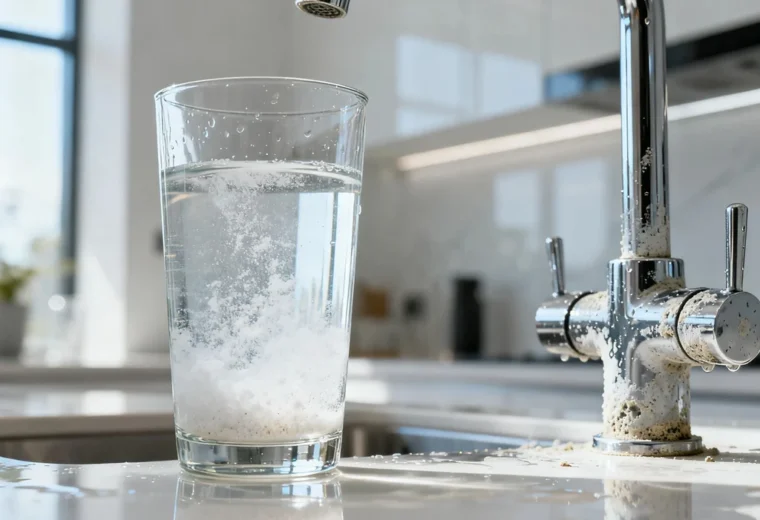
One reason water-related issues go unnoticed for so long is because they develop gradually. Hard water minerals collect little by little inside pipes, fixtures, and appliances. Stains appear around faucets. Shower doors lose clarity. Laundry starts feeling stiff instead of soft.
None of these problems seem dramatic individually.
That’s why many people adapt to them without questioning whether something better is possible. They scrub harder, replace appliances sooner, or assume aging plumbing is simply part of owning a home.
But often, the underlying issue is the water itself.
Mineral-heavy water can quietly create ongoing wear inside household systems while also affecting day-to-day comfort in ways people don’t immediately connect to water quality.
Softer Water Changes More Than You Expect
Homeowners who switch to softer water often describe the change in surprisingly emotional terms. Not because it’s life-changing in some dramatic movie scene kind of way — but because everyday routines suddenly feel easier.
Showers feel smoother. Hair becomes easier to manage. Towels stay softer after washing. Soap rinses cleanly instead of leaving residue behind. Glassware actually sparkles again.
It’s funny how much tiny daily experiences shape comfort inside a home.
People also tend to notice that cleaning becomes less frustrating. Hard water stains around sinks and showerheads don’t return quite as aggressively. Dishwasher spots become less noticeable. Faucets stay cleaner longer.
None of these things sound exciting on paper, but living with them every day absolutely affects how a home feels.
Appliances Quietly Depend on Good Water
One of the most overlooked effects of poor water quality involves household equipment. Water heaters, dishwashers, washing machines, coffee makers, and refrigerators all rely heavily on clean, balanced water to operate efficiently.
Mineral buildup inside these systems develops slowly over time. Heating elements work harder. Water flow becomes restricted. Internal components wear out faster than expected.
That’s where proper equipment protection becomes important. Homeowners often spend thousands of dollars replacing appliances without realizing untreated water may have shortened their lifespan significantly.
Water heaters are especially vulnerable because minerals settle inside tanks and around heating components continuously. Even small amounts of buildup can reduce efficiency and increase energy usage month after month.
And honestly, with appliance costs climbing higher every year, protecting those systems simply makes financial sense now.
Better Water Affects Daily Habits Too
There’s also a personal side to this conversation that people don’t always discuss openly. Good water subtly changes behavior.
When drinking water tastes cleaner, people naturally drink more of it. When showers feel better, daily routines become a little more relaxing. When laundry smells fresher and fabrics stay softer, people notice.
Even cooking changes slightly. Tea tastes cleaner. Coffee flavor improves. Ice cubes stop carrying strange freezer odors.
These aren’t huge dramatic improvements individually, but daily life is built from repeated small experiences. Over time, those details matter.
And honestly, comfort inside a home often depends more on reliable basics than flashy upgrades.
Water Quality Impacts More Than Appearance
A lot of homeowners initially focus on visible signs like stains or cloudy dishes, but overall water quality influences plumbing systems and household efficiency in deeper ways too.
Poor water conditions can contribute to pipe corrosion, sediment accumulation, pressure fluctuations, and increased maintenance needs over time. Some regions also deal with chlorine-heavy municipal water or naturally occurring contaminants that affect both taste and long-term plumbing performance.
That’s why proper testing matters so much before choosing any treatment system. Water conditions vary significantly depending on location, groundwater sources, municipal infrastructure, and even seasonal environmental changes.
The best solution for one home may not make sense for another at all.
Modern Water Treatment Is More Practical Than Ever
Years ago, home water treatment systems sometimes felt overly complicated or expensive. Bulky tanks, confusing maintenance schedules, constant servicing — many homeowners avoided them entirely because they sounded like too much hassle.
Modern systems are usually far simpler and more efficient. Many operate quietly in the background with minimal attention required beyond occasional maintenance.
Some systems even include smart monitoring features that notify homeowners when filters need replacement or salt levels run low. That convenience matters because most people don’t want another complicated household responsibility to manage constantly.
And thankfully, they usually don’t need one.
Final Thoughts
Water quietly influences nearly every part of home life, from comfort and cleaning to appliance efficiency and daily routines. Yet it often stays overlooked until problems become frustrating enough to demand attention.
The reality is pretty simple: better water creates a more comfortable home.
Whether it’s protecting appliances, reducing maintenance headaches, improving skin and laundry softness, or simply making everyday experiences feel smoother, investing in better water quality often delivers benefits people appreciate far more than they initially expected.
And once those improvements become part of daily life, going back rarely feels appealing.