A clogged drain has a way of disrupting the simplest parts of the day. You’re halfway through washing the dishes when the sink fills with cloudy water, or you step into the shower and find yourself standing in a shallow puddle. It’s annoying, certainly, but it can also leave you wondering whether you’re dealing with an ordinary blockage or something more serious.
Most drainage problems start small. Grease collects inside a kitchen pipe, hair gathers around a bathroom stopper, or soap residue gradually narrows the passage through which wastewater flows. Left alone, these little inconveniences can become stubborn blockages that require professional attention.
The trick is knowing what you can safely handle yourself, when to call a plumber, and how to stop the same problem from returning a few weeks later. A sensible approach can protect your pipes, save money, and spare you an unpleasant surprise at the worst possible moment.
Understanding What Causes a Clogged Drain
Drains deal with a surprising amount of waste every day. In kitchens, cooking oils, food particles, coffee grounds, and soap deposits can accumulate inside pipes. Bathrooms have their own collection of troublemakers, particularly hair, shampoo residue, and personal-care products.
These materials often stick to the inside of pipes rather than washing away completely. As more debris collects, water moves more slowly, and eventually a blockage develops.
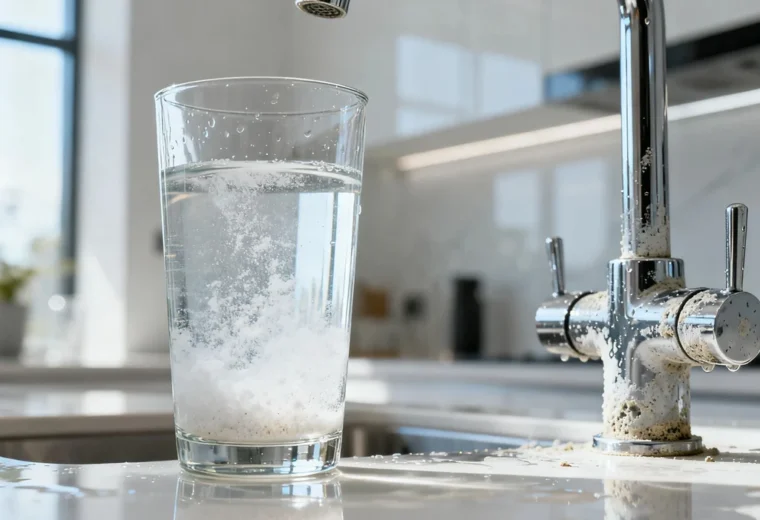
Not every clog comes from household waste, though. Mineral deposits can build up in areas with hard water, tree roots may enter underground sewer lines through damaged joints, and ageing pipes can develop cracks or uneven sections where debris becomes trapped.
Understanding the likely cause matters because different problems need different solutions. A little hair near a shower stopper is one thing; a blockage affecting several drains throughout the house is quite another.
Why the Right Cleaning Method Matters
When water stops draining, reaching for the strongest chemical cleaner might seem like the quickest option. In reality, that approach can create additional problems, particularly when products are used incorrectly or combined with other cleaning chemicals.
A plunger may be enough for a minor blockage near a sink or toilet. Removing visible debris from a drain strainer can also restore normal flow in some cases. However, repeated plunging or random attempts to push objects through a pipe may not address the underlying issue.
Professional fast, safe drain cleaning focuses on clearing the obstruction while taking the plumbing system’s condition into account. Depending on the blockage, a plumber might use a drain snake, mechanical cleaning equipment, or water-based methods designed for the particular pipe and type of debris.
The important distinction is that speed should never come at the expense of safety. A good plumber doesn’t simply force water through the line and leave. They consider why the blockage occurred, whether the pipes can tolerate the chosen method, and whether further inspection is necessary.
If sewage is backing up, several fixtures are blocked, or wastewater is overflowing indoors, stop using the affected plumbing and seek professional help. Keep children and pets away from contaminated water, and avoid direct contact.
Knowing When the Problem Is Deeper Than It Looks
A single slow-draining sink often points to a local obstruction. When the bathtub, toilet, and kitchen sink begin showing problems around the same time, the situation deserves closer attention.
Listen for gurgling sounds from drains and toilets. Notice whether water rises in one fixture when another is being used. Persistent foul smells may also indicate trapped waste or a problem with the drainage system.
These symptoms don’t automatically mean the main sewer line is damaged, but they can suggest that the issue extends beyond one fixture. Continuing to use the plumbing without investigating may lead to a more disruptive backup.
A plumber can assess the affected fixtures, test drainage where appropriate, and determine whether the blockage is local or farther along the system. This initial diagnosis is important because clearing the wrong section of pipe may provide only temporary relief.
It’s also worth mentioning any previous repairs or recurring problems. If a drain has been blocked three times in six months, that history may be more useful than it first appears.
How Camera Inspections Help Find Hidden Problems
Some drainage issues are difficult to diagnose from the outside. Underground pipes may run beneath driveways, gardens, or foundations, making it impractical to locate a fault through excavation alone.
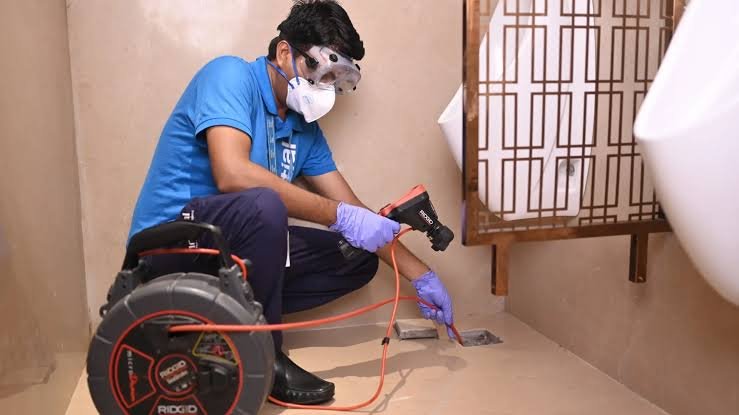
In these situations, a sewer camera inspection can provide a much clearer picture. A plumber inserts a specialised camera into an accessible section of the drainage line and examines the pipe’s interior.
This process can reveal visible obstructions, root intrusion, cracks, displaced joints, corrosion, and other signs of deterioration. It may also help identify whether a recurring blockage is caused by accumulated material or a structural problem.
The value of camera confirmation is that it helps connect the recommended repair to evidence from inside the pipe. Instead of relying entirely on guesswork, the homeowner can ask what the footage shows and why a particular solution is being proposed.
Camera inspections have limitations, of course. Heavy debris, standing water, and inaccessible pipe sections can restrict visibility, and not every defect can be fully assessed through video alone. A professional should explain the findings in straightforward language and recommend further investigation if needed.
For homeowners dealing with repeated sewer problems, this information can help prevent unnecessary digging or repeated cleaning that never addresses the real cause.
Preventing the Same Blockage From Returning
Clearing a drain is useful, but preventing another blockage is even better. Fortunately, many everyday drainage problems can be reduced with a few straightforward habits.
In the kitchen, wipe greasy pans with a paper towel before washing them. Dispose of cooking oil separately instead of pouring it down the sink, and use a strainer to catch food scraps. Even small amounts of grease can accumulate over time.
In bathrooms, clean hair from drain covers regularly and avoid flushing wipes, cotton products, or other unsuitable materials down the toilet. Products marketed as flushable may still contribute to blockages, particularly in older drainage systems.
For properties with a history of recurring problems, a prevention plan can make maintenance more consistent. This might include periodic professional inspections, cleaning schedules based on actual usage, and monitoring areas where tree roots or ageing pipes have caused trouble before.
There isn’t one maintenance schedule that suits every home. A household with a newer plumbing system may need very little intervention, while an older property with established drainage issues could benefit from more frequent checks.
The goal is to address known risks without paying for unnecessary services.
Choosing a Plumber Who Explains the Work
When professional help is needed, look for someone who can explain the problem and the proposed solution without making the process feel mysterious. Ask what caused the blockage, which cleaning method is appropriate, and whether the plumber suspects pipe damage.
Request an estimate before work begins whenever possible, including any likely additional charges. If camera inspection or more extensive repairs are recommended, ask what the results will help establish.
Be cautious of anyone who immediately recommends expensive pipe replacement without a reasonable assessment. Replacement may be necessary in some cases, but you should understand why cleaning alone won’t solve the problem.
A dependable professional should also explain any limitations, describe the work completed, and offer practical advice for reducing future problems.
Keeping Your Drains Working Without the Guesswork
A blocked drain doesn’t always require major repairs, and not every slow sink signals a serious plumbing fault. Still, recurring problems deserve attention rather than another temporary fix.
Start with sensible household habits, avoid risky chemical combinations, and recognise when the symptoms suggest a deeper obstruction. When necessary, professional cleaning and camera inspections can help identify the cause and guide the right response.
Ultimately, good drainage maintenance is about more than getting water to disappear. It’s about understanding how your plumbing works, protecting the pipes you already have, and making informed decisions before a minor inconvenience becomes an expensive repair.