There’s a strange thing about water—you rarely think about it when it’s good. It just blends into your day. You drink it, cook with it, maybe splash some on your face without a second thought.
But when it’s not quite right, you notice immediately.
A faint aftertaste. That slight hesitation before taking a sip. Maybe even the habit of reaching for packaged bottles instead of trusting your own tap. It’s subtle, but it changes how you interact with something that should feel effortless.
The Quiet Shift Toward Better Drinking Water
A lot of people don’t set out to “upgrade” their water. It usually happens gradually. You start buying bottled water more often, convincing yourself it’s just for convenience. Then it becomes routine.
And somewhere along the way, you realize you’re paying extra for something your home should already provide.
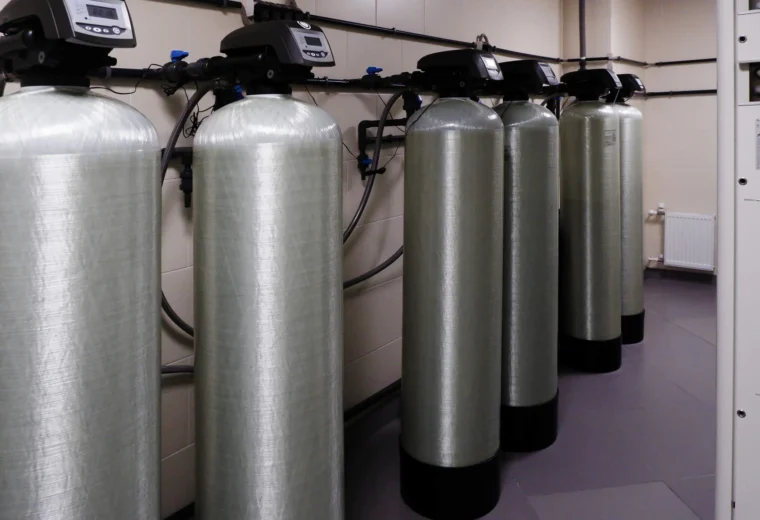
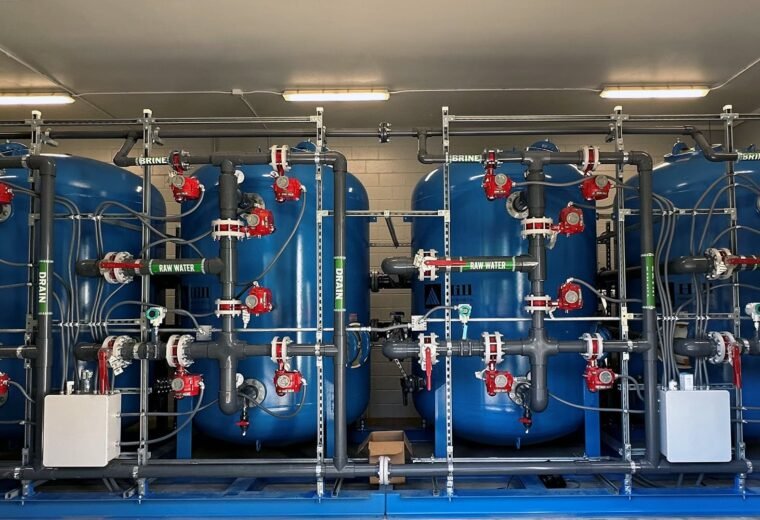
That’s where systems like reverse osmosis begin to make sense—not as a luxury, but as a practical alternative. These systems work by filtering water through a semi-permeable membrane, removing a wide range of impurities in the process.
The result isn’t flashy. It’s just… clean. Neutral. The kind of water that doesn’t distract you with taste or smell.
Why Bottled Water Became the Benchmark
It’s interesting how bottled water has shaped our expectations. For many people, it represents purity—something consistent, reliable, and safe.
But here’s the thing: most of what we associate with bottled water isn’t magic. It’s filtration. Careful processing. Attention to detail.
With the right setup at home, achieving bottled quality water isn’t out of reach. In fact, it can be more convenient—and more sustainable—than constantly buying plastic bottles.
There’s also a certain satisfaction in knowing your tap can deliver that same level of quality. It changes the way you think about water altogether.
What Are You Actually Removing?
One of the less obvious benefits of improving your water is understanding what you’re removing in the first place.
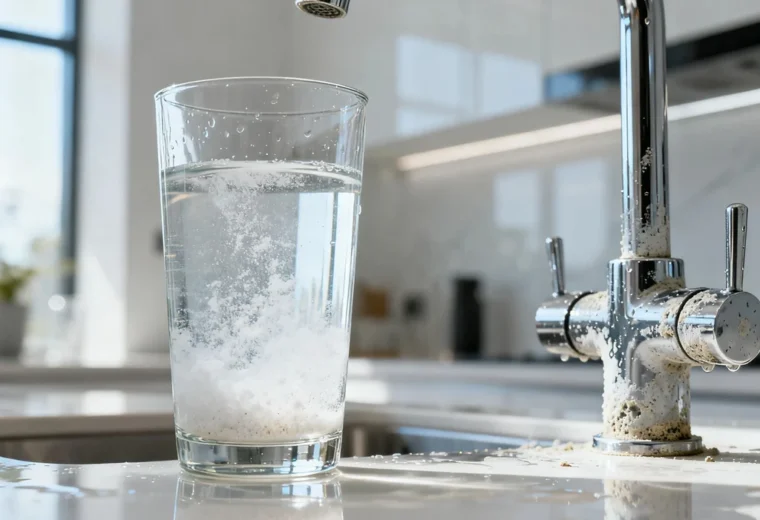
Tap water can contain a mix of minerals, chemicals, and trace contaminants. Some are harmless in small amounts, others less so. The challenge is that you don’t always know what’s present without testing.
That’s why contaminant removal becomes such an important part of the conversation. It’s not about chasing perfection—it’s about reducing what doesn’t belong, so your water feels and tastes the way it should.
And when you know those unwanted elements are being filtered out, there’s a quiet confidence that comes with it.
The Small Differences That Add Up
Once your water improves, the changes don’t usually arrive all at once. They show up in small, almost unremarkable ways.
Your morning coffee tastes smoother. Your ice cubes look clearer. Even your cooking feels slightly different—subtly better, though it’s hard to explain why.
These aren’t dramatic transformations, but they add up over time. They make everyday moments feel just a bit more refined.
And eventually, you stop noticing the improvements—because they’ve become your new normal.
Keeping It Practical, Not Overwhelming
If you’ve ever looked into water systems, you know how quickly things can get complicated. There are technical terms, endless options, and a lot of conflicting advice.
But it doesn’t have to be that way.
Start simple. Think about what bothers you most about your current water. Is it the taste? The uncertainty? The reliance on bottled alternatives?
Once you have that clarity, the decision becomes easier. You don’t need the most advanced system—you need the one that fits your situation.
A More Sustainable Way Forward
There’s also a bigger picture to consider. Relying on bottled water isn’t just a personal habit—it has environmental implications too. Plastic waste, transportation, storage—it all adds up.
Improving your home’s water supply offers a more sustainable alternative. You get the quality you want without the constant cycle of buying and discarding bottles.
It’s a small shift, but one that feels increasingly relevant.
A Thought to Carry With You
Water is one of those things that should feel effortless. You shouldn’t have to question it, second-guess it, or work around it.
And when it’s right, you don’t.
You pour a glass, take a sip, and move on with your day. No hesitation, no doubt. Just a quiet sense of trust in something that’s always been part of your life.
Sometimes, the best upgrades aren’t the ones you show off—they’re the ones that quietly improve everything else around them.