
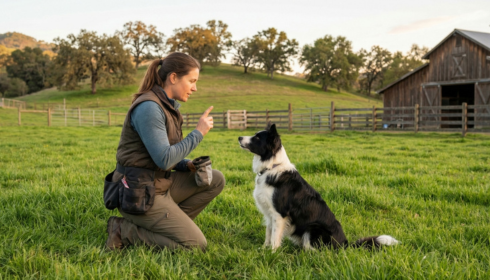
If you want a dog that listens, behaves with confidence, and thrives in real‑world situations, dog leadership training programs are the difference between struggle and success. Far from basic obedience, leadership‑focused training empowers dogs and owners alike with clarity, consistency, and real results especially when guided by an experienced trainer with a proven system.
In this article, we dive into what makes the most effective leadership‑focused dog training, why it matters, and how the right program helps both you and your dog feel understood, connected, and confident not just compliant.
Why Dog Leadership Training Programs Outperform Traditional Training
Most pet parents start with “sit, stay, come.” But these basics alone don’t solve the real challenges: pulling on walks, leash reactivity, jumping, fear responses, or inconsistency at home.
Dog leadership training programs take a broader view. They don’t just teach behaviors they establish a leadership dynamic rooted in trust, communication, and clarity. This shift produces dogs that:
- Understand expectations, not just cues
- Respond calmly under distraction
- Build emotional resilience
- Relate to their owners instead of reacting out of anxiety or confusion
Rather than forcing compliance, these programs teach dogs why structure and guidance matter creating lasting behavior change rather than short‑lived obedience.
What Sets Leadership‑Focused Dog Training Apart
So what exactly distinguishes “leadership” training from standard obedience? Here are the fundamentals:
1. Emphasis on Relationship Before Commands
Rather than beginning with rote drills, leadership programs focus on building trust:
- Reading canine body language
- Responding to emotional states
- Using natural reinforcement
This creates a foundation where the dog chooses to follow guidance.
2. Structured Communication
Dogs thrive on consistency. Leadership programs teach owners how to deliver:
- Clear cues
- Predictable routines
- Consistent boundaries
These reduce confusion and unwanted behavior.
3. Progressive Skill Building
Rather than isolated tricks, leadership training scales:
- Foundational skills (focus, attention)
- Impulse control
- Real‑world resiliency
- Advanced social/behavioral challenges
Each phase prepares both dog and owner for real‑life success.
4. Real‑World Application
Dogs behave differently at home, at the park, in crowds, and near other animals. Leadership programs integrate real scenarios early so behavior transfers beyond the training space.
A Deeper Look: Core Principles of Effective Dog Leadership
When searching for stellar dog leadership training programs, look for these evidence‑based principles.
Principle 1 Leadership Is Not Dominance
Modern training rejects outdated alpha theories. Leadership is about:
- Confidence
- Clear predictability
- Calm assertion
Not force, intimidation, or punishment.
Positive reinforcement paired with structured guidance yields cooperation without fear.
Principle 2 Dogs Learn Best Through Motivation
Motivation triggers learning. The best programs use:
- Reward‑based systems
- Play incentives
- Emotional connection
This fosters joy and makes training sustainable long‑term.
Principle 3 Consistency Wins Every Time
Dogs don’t generalize well between environments. Leadership training emphasizes:
- Repetition
- Daily routines
- Owner accountability
This consistency cements good behavior as default behavior.
What To Expect from High‑Impact Dog Leadership Training Programs
Here’s a breakdown of what effective programs deliver beyond basic sit and stay:
Assessment & Personalization
Each dog is unique. Top programs begin with an assessment:
- Temperament
- Stress triggers
- Learning style
This ensures training fits the dog not the other way around.
Owner Coaching
Leadership programs treat the owner as part of the system. You’ll learn:
- Clear cue delivery
- Reading canine signals
- How to avoid mixed messaging
This improves communication and speeds progress.
Incremental Challenges
Training progresses logically starting calm and moving toward real‑life scenarios.
Examples:
- Quiet focus at home
- Focus around minor distractions
- Leash guidance near people/animals
- Goal behavior under high stimulation
This increases reliability and dog confidence.
Long‑Term Behavior Strategy
Rather than short courses, leadership programs build frameworks for a lifetime. You’ll learn:
- How to build new behaviors
- How to sustain progress
- How to adjust as your dog ages
This makes training a lifelong enrichment tool, not a one‑time fix.
How Dog Leadership Training Programs Build Confidence
Many behavior problems stem not from misbehavior but from insecurity. A dog unsure of leadership often resorts to:
- Barking
- Guarding
- Leash pulling
- Anxiety
- Avoidance
Leadership programs reduce insecurity by giving dogs structure they can predict. When a dog knows what’s expected, their confidence grows and unwanted behaviors shrink.
Benefits of Confidence‑Driven Training
Dogs that feel secure:
- Focus better
- Learn faster
- Stay calmer under stress
- Adapt more easily to new environments
This transforms challenging behavior into dependable cooperation.
Puppy Leadership Training: Why It Matters Early
Starting leadership training in puppyhood accelerates growth and reduces future issues. Puppies who receive leadership guidance:
- Learn social cues
- Develop impulse control
- Are less reactive to novelty
- Build lifelong confidence
A structured early‑learning foundation helps them transition smoothly into teenage and adult stages reducing behavioral regression later.
How to Choose the Right Dog Leadership Training Program
Not all programs are created equal. Here are key criteria to consider:
1. Trainer Qualifications
Look for:
- Certified behavior specialists
- Experience with real behavior challenges
- Positive reinforcement credentials
- Proven outcomes
2. Personalized Plans
Avoid cookie‑cutter classes. Great programs tailor learning to your dog’s needs.
3. Owner Involvement
The best programs coach you as much as your dog. Training becomes a shared experience.
4. Clear Progress Metrics
A good trainer measures improvement not guesswork. You should see behavior change in:
- Focus
- Impulse control
- Responsiveness
- Real‑world application
5. Transferable Skills
Good leadership training helps dogs behave in:
- Parks
- Around visitors
- In crowded streets
- Near other animals
This is real progress, not staged success.
Top Training Tools and Techniques Used in Leadership Programs
Here’s what the most effective leadership training approaches integrate:
Clicker & Marker Training
Precise communication helps dogs link action and outcome quickly.
Motivational Rewards
Food, toys, and praise tailored to the dog’s preferences.
Structured Walk Practices
Teaching loose‑leash focus with purpose.
Impulse Control Games
“Sits,” “waits,” and delayed rewards foster calm decision‑making.
Desensitization & Counter‑Conditioning
Effective for reactivity and fear responses.
These tools don’t just shape behavior they build internal resilience and confidence.
Stories of Transformation: Real Results from Leadership Training
Consider these typical breakthroughs from robust dog leadership training programs:
From Reactive to Relaxed
A dog that barked at every passerby learned impulse control and calm focus leading to peaceful walks.
From Pulling to Purposeful Walks
Leash pulling, once exhausting, became structured engagement with the owner a shared experience.
From Insecurity to Social Confidence
Fearful dogs learned to navigate new environments without panic because they trusted their owner’s leadership.
Each of these shifts isn’t just obedience it’s a transformation in mindset.
Common Misconceptions About Leadership Training
“Leadership equals dominance.”
False. Modern training rejects force. Leadership is calm, predictable guidance.
“Good behavior happens fast.”
Not always. Lasting change takes consistency but the results are sustainable.
“Only problem dogs need leadership.”
Every dog benefits. Even well‑behaved dogs become more confident and reliable with leadership foundations.
Frequently Asked Questions (FAQs)
Q: Are leadership training programs suitable for all breeds?
Yes. Leadership principles apply across breeds. Programs adapt to individual temperament and learning style.
Q: How soon will I see results?
Some behaviors improve rapidly with consistency, while deeper behavioral challenges may take weeks. The key is daily reinforcement and practice.
Q: Do I need special equipment?
No. While tools like clickers help, leadership training is about communication not gear.
Q: Can leadership training help reactive dogs?
Yes. With desensitization and structured exposure, reactive responses decrease over time.
Set Your Dog Up for Life
If you want more than temporary compliance, dog leadership training programs offer a path to lasting behavior, emotional resilience, and a deeper connection with your dog.
Dogs aren’t puzzles to be solved they’re partners to be understood. With the right guidance, your dog can thrive not only because they obey but because they trust you and know what to expect.
Meet Rob’s Dog Training Your Leadership Partner
At Rob’s Dog Training, we specialize in dog leadership training programs that get results guided by experience, compassion, and proven methodology.
Rob’s Dog Training
4204 E Indian School Rd
Phoenix, AZ 85018
https://robsdogs.com/
Our programs focus on:
- Real‑world obedience
- Confidence‑building techniques
- Personalized coaching for owners
- Lasting behavior transformation
Whether you’re dealing with pulling, reactivity, confidence issues, or distractions, we help you build a relationship your dog wants to follow not just obey.
Ready for a dog that listens with clarity and confidence? Discover our leadership programs today.