Most of us don’t think much about water until something feels off. Maybe the coffee tastes different one morning. Maybe there’s a strange smell coming from the kitchen sink, or your shower leaves your skin feeling dry no matter what soap you use. These little signs are easy to brush aside, but they often point to something worth paying attention to.
Water is one of those things that’s always there—until it isn’t working the way it should. And because we use it every single day for drinking, cooking, cleaning, and bathing, even small water quality issues can quietly affect our comfort, health, and even the lifespan of household appliances.
The good news? You don’t have to become a water expert to make smarter decisions. A little awareness goes a surprisingly long way.
Water Isn’t the Same Everywhere
It’s easy to assume that if water looks clear, it’s perfectly fine. In reality, appearances don’t tell the whole story.
Water picks up minerals, sediments, and other substances as it travels through pipes and underground sources. In some places, hard water is the biggest concern. In others, chlorine, iron, sulfur, or even aging plumbing may influence taste and quality.
That’s why two homes just a few streets apart can have completely different experiences with their tap water.
Understanding what’s actually in your water gives you something much more useful than guesswork—it gives you confidence.
Small Changes Often Tell a Bigger Story
People usually notice water problems gradually.
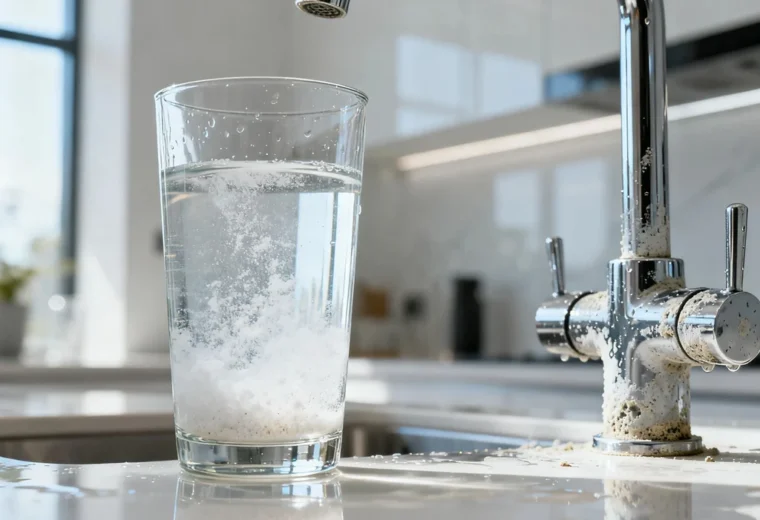
Maybe dishes come out with cloudy spots. Soap doesn’t lather as easily anymore. White mineral deposits start appearing around faucets. Laundry loses that fresh, clean feel.
Individually, none of these things seem dramatic. Together, though, they create a pattern.
Ignoring these warning signs can eventually lead to unnecessary maintenance costs, reduced appliance efficiency, and frustration that could’ve been avoided much earlier.
Sometimes it’s the little clues that deserve the biggest attention.
Why Knowing Your Water Matters
Before investing in filters, softeners, or treatment equipment, it’s important to understand what you’re trying to solve.
A professional water quality test provides a clear picture of your home’s water instead of relying on assumptions. Testing can identify mineral content, hardness levels, pH balance, chlorine, sediment, and other factors that influence everyday water use.
That information makes every future decision easier because you’re choosing solutions based on facts rather than marketing claims.
It’s a simple step that often saves homeowners both time and money.
Every Home Has Different Needs
One thing that surprises many homeowners is that there’s rarely a universal solution.
A family using well water has different concerns than someone connected to a municipal supply. Older neighborhoods may deal with aging pipes, while newer homes might simply struggle with naturally hard water consultation today .
Lifestyle matters too.
Large families usually consume much more water than single-person households. Homes with multiple bathrooms, irrigation systems, or specialty appliances all place different demands on household plumbing.
That’s exactly why customized recommendations tend to work better than one-size-fits-all products.
Modern Water Solutions Have Come a Long Way
Years ago, improving household water often meant bulky equipment that required constant attention.
Things have changed.
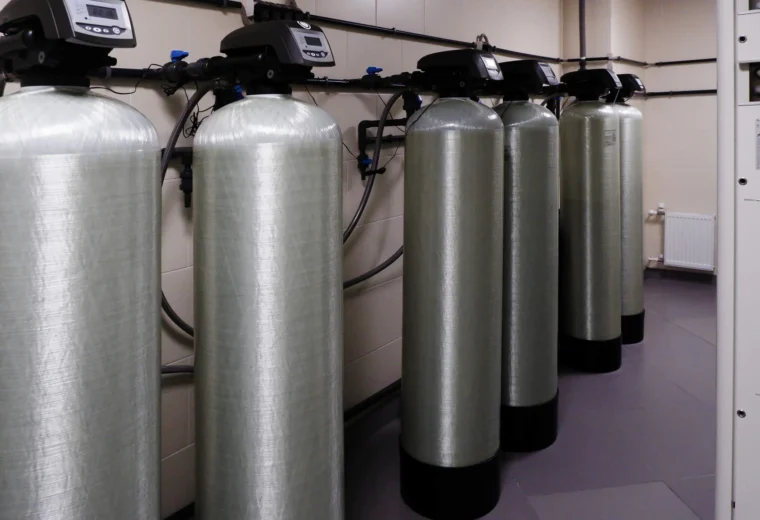
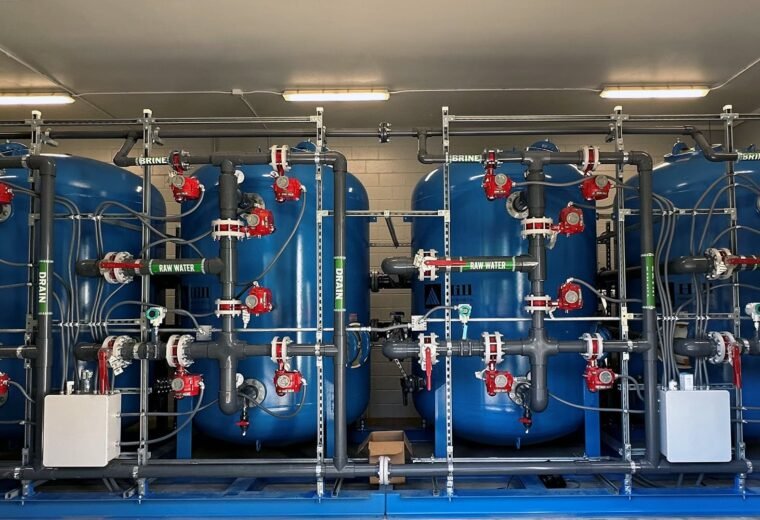
Today’s water systems are designed to be more efficient, easier to maintain, and much better at addressing specific water conditions. Whether the goal is reducing mineral buildup, improving taste, protecting plumbing, or producing cleaner drinking water, modern technology offers far more targeted options than it once did.
Many homeowners are surprised by how quietly these systems operate once installed. In many cases, life simply becomes… easier.
The water tastes better. Fixtures stay cleaner. Appliances perform more efficiently.
You stop thinking about your water because it finally works the way it should.
Better Water Benefits More Than Just Drinking
People naturally focus on drinking water, but improved water quality affects nearly every part of the home.
Cleaner water often helps washing machines perform better. Dishwashers leave fewer spots behind. Water heaters operate more efficiently when mineral buildup is reduced. Even everyday cleaning becomes less frustrating because fewer deposits are left on sinks, glass, and faucets.
Then there are the personal benefits.
Hair often feels softer. Skin may feel less dry after showers. Cooking becomes more enjoyable when water doesn’t alter flavors.
None of these changes happen overnight, but together they make a noticeable difference in daily life.
Choosing Advice Instead of Guesswork
The internet is full of opinions about water treatment, and honestly, that can make things more confusing.
Some people swear by one filter. Others insist softeners are the answer. Then someone else recommends an entirely different solution.
Without understanding your own water, it’s impossible to know which advice actually applies to your home.
Instead of spending money on equipment that may not solve the real issue, many homeowners benefit from speaking with professionals who understand local water conditions and can recommend practical solutions.
If you’re unsure where to begin, it’s often worth scheduling a so you can better understand your options before making any investment.
Good decisions almost always start with good information.
Water Is Easy to Take for Granted
Funny enough, we rarely appreciate clean, reliable water until something changes.
It’s one of those everyday essentials that quietly supports nearly everything we do. Morning coffee, family dinners, laundry, showers, watering the garden—it all depends on water doing its job without us thinking about it.
That’s why paying attention before small problems become expensive ones makes so much sense.
Better water isn’t just about convenience. It’s about protecting your home, improving daily comfort, and making informed choices that continue paying off over time.
Sometimes the smartest home improvement isn’t the one everyone notices. It’s the one that quietly makes every single day a little better.