Water has a way of becoming invisible in a busy business. It’s there when a restaurant worker rinses a pan, when a hotel guest turns on a shower, when a laundry machine starts another cycle, or when a manufacturing process needs a steady supply. Nobody really thinks about it until something goes wrong.
Hard water is one of those problems that can sneak up quietly. Mineral deposits collect inside equipment, fixtures become difficult to clean, and appliances that depend on heated water may gradually lose efficiency. At home, that’s annoying. In a commercial environment, repeated problems can turn into real operating costs.
That’s why commercial water softening deserves a little more attention than it usually gets. The goal isn’t simply to remove hardness. It’s to create a treatment setup that can keep pace with the business without becoming another source of headaches.
Commercial Water Demand Isn’t Always Predictable
One of the biggest differences between residential and commercial water use is the scale and rhythm of demand.
A family might use water throughout the day in relatively predictable ways. A restaurant, hotel, healthcare facility, or industrial site can experience sharp changes in consumption.
A restaurant may be relatively quiet mid-afternoon and extremely busy a few hours later. A hotel can have a morning surge when dozens of guests shower, flush toilets, and prepare for the day. A laundry operation may use large amounts of water in repeated cycles.
That means a commercial softener needs to be evaluated around actual usage patterns, not just an average number on a spreadsheet.
Why the CC Series Deserves a Closer Look
Commercial water softeners come in many configurations, and choosing between them can get confusing quickly.
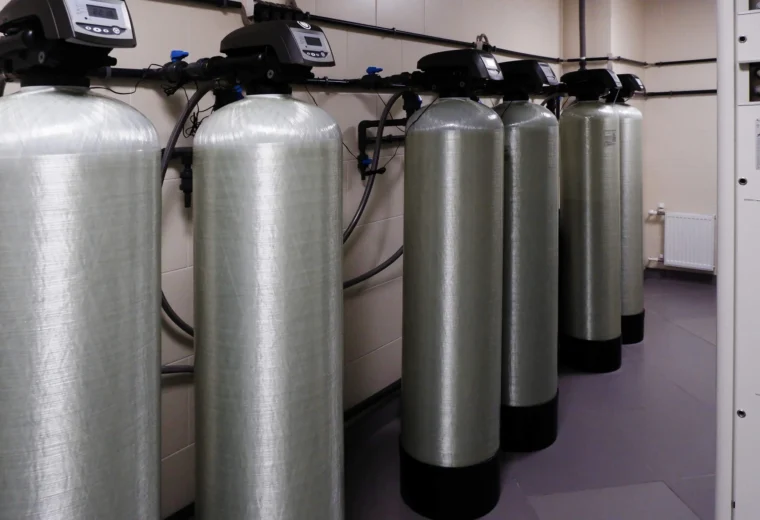
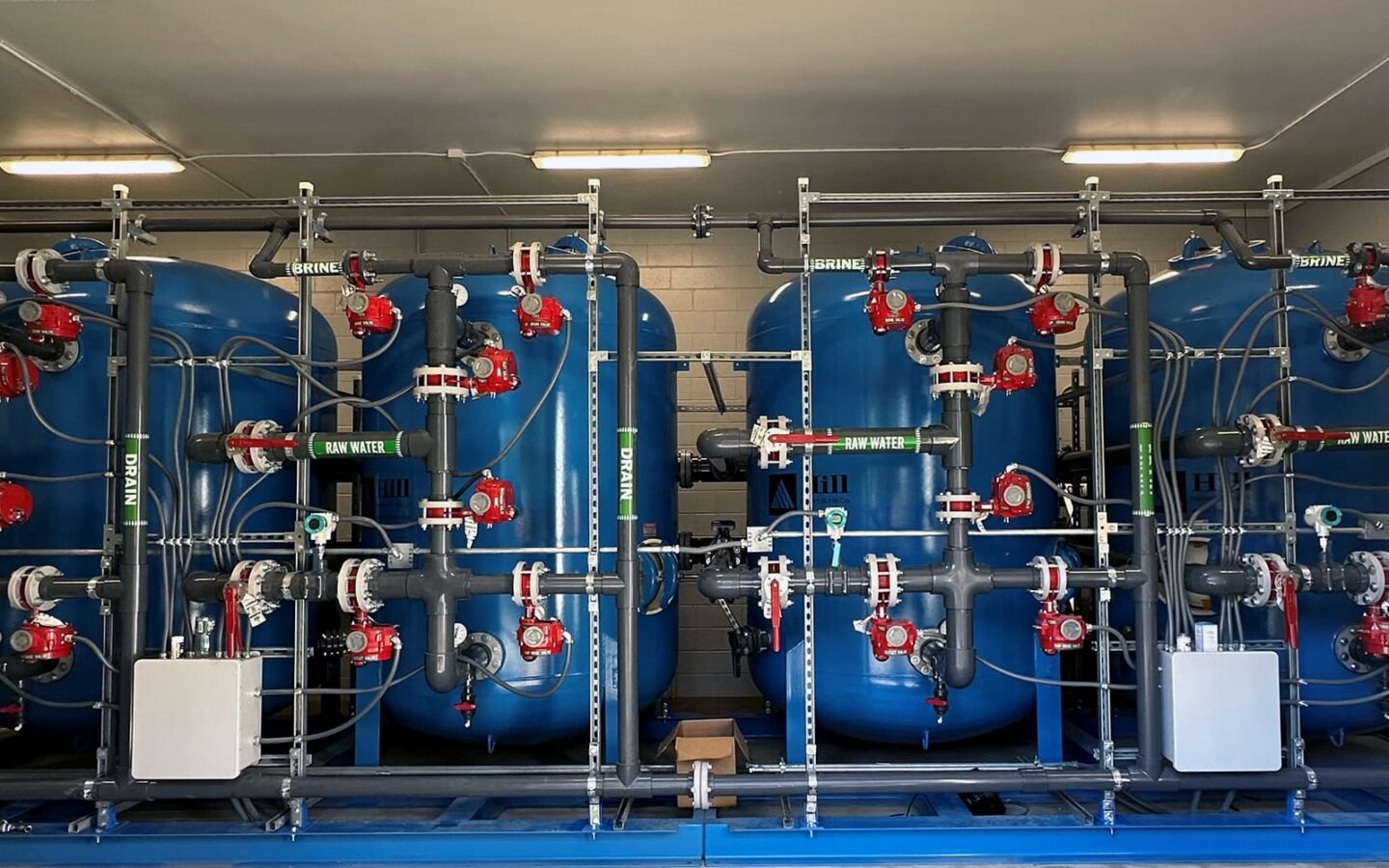
For facilities evaluating CC series water softeners, the important consideration is how the equipment fits the application’s flow requirements, capacity needs, and operating schedule.
A properly selected commercial system should be capable of handling the facility’s expected water demand while maintaining consistent hardness reduction. It also needs controls and regeneration behavior that make sense for the way the building operates.
The equipment should serve the business, not the other way around.
Hard Water Can Affect More Than Appearance
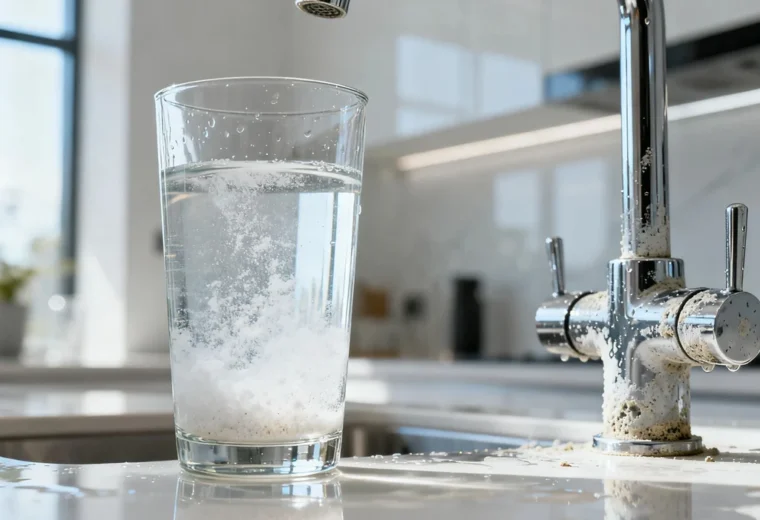
When people hear “hard water,” they often picture white spots on faucets or cloudy glasses.
Those are the obvious signs, but scale can build in less visible places too.
Water heaters, boilers, dishwashers, laundry equipment, humidification systems, and other appliances can accumulate mineral deposits. When scale develops on heat-transfer surfaces, efficiency may suffer. Equipment may also require more frequent cleaning or servicing.
The impact depends on the hardness level and how much water the facility uses. A small office may barely notice the issue, while a high-volume operation can see its effects much sooner.
This is why water testing and proper equipment sizing are so important.
Consistency Matters in a Busy Facility
Commercial operations don’t just need softened water occasionally. They often need it throughout the working day.
A well-designed system can provide a continuous flow of soft water when demand rises and falls, helping keep downstream equipment supplied with water that has been treated for hardness.
That consistency can be particularly useful for businesses with multiple water-consuming processes happening at the same time.
Of course, continuous availability depends on proper system sizing. A softener that can’t keep up with peak demand isn’t really solving the problem, no matter how impressive its specifications look on paper.
Flow Rate and Capacity Are Two Different Things
This distinction is easy to miss.
Capacity refers to how much hardness a system can handle between regeneration cycles. Flow rate refers to how much water can pass through the system at a given time.
A business can have plenty of overall capacity and still experience trouble if the system cannot deliver enough flow during peak periods.
Imagine a hotel where several floors are using water simultaneously. Or a restaurant where dishwashing, food preparation, and cleaning all happen at once. The system needs to handle those moments, not just the quiet periods.
Professional sizing should therefore consider both daily consumption and peak flow.
Commercial Applications Can Be Surprisingly Diverse
The phrase commercial applications covers a huge range of environments.
Restaurants, hotels, apartment buildings, laundries, schools, offices, car washes, healthcare facilities, manufacturing sites, and other businesses can all have different water-treatment requirements.
A restaurant may care heavily about protecting dishwashing and hot-water equipment. A hotel might focus on guest comfort, laundry performance, and plumbing maintenance. An industrial facility may have specific process-water requirements that go far beyond ordinary hardness reduction.
There isn’t one universal configuration that makes sense for all of them.
The best system starts with the application.
Don’t Forget About the Water Chemistry
Before choosing a softener, test the water.
Hardness is the obvious number, but other characteristics can influence treatment. Iron, manganese, sediment, pH, and other factors may affect system performance or indicate the need for additional treatment.
For example, a business dealing with both significant hardness and sediment might benefit from pretreatment before water reaches the softener.
This is where a complete water assessment can save money. Instead of installing equipment and discovering later that another problem is interfering with performance, the treatment strategy can be designed from the beginning.
Regeneration Is Part of the Operating Picture
Softening systems need to regenerate so they can continue treating water effectively.
The timing and method of regeneration can affect water consumption, salt use, and system availability. For commercial facilities, those details matter because treatment is happening at a much larger scale.
If regeneration is poorly timed, it could interfere with periods of high demand. If the system regenerates too frequently, operating costs may increase.
Modern controls and proper programming can help manage these issues, but only when the system has been correctly sized in the first place.
Maintenance Should Be Easy to Understand
Nobody wants complicated equipment that requires constant attention.
Commercial water-treatment systems still need routine maintenance, of course. Operators may need to monitor salt levels, inspect components, check settings, and arrange periodic service.
The key is predictability.
Staff should know what needs to be checked, how often it needs to happen, and what signs indicate a problem. Keeping simple records can help identify changes before they become major failures.
A little routine attention is much easier to manage than emergency repairs during a busy operating period.
Think Beyond the Installation Day
A commercial softener is a long-term investment, so the purchase price shouldn’t be the only factor.
Consider water and salt consumption, service requirements, replacement parts, installation conditions, expected equipment life, and potential savings from reduced scale.
Also consider the cost of doing nothing.
If hard water is shortening the life of expensive equipment or increasing maintenance requirements, treatment may provide value well beyond the water itself.
Sometimes the best return is the repair call you never have to make.
Reliable Water Treatment Is Quietly Valuable
Commercial water softening isn’t flashy. There are no dramatic before-and-after photos like you might see with a renovation project. When everything works correctly, the system mostly disappears into the background.
And that’s a good thing.
The right equipment provides treated water when it’s needed, protects downstream equipment, and fits naturally into the facility’s daily operation.
Start with testing. Understand the hardness level. Look at peak demand and flow requirements. Consider the type of business, maintenance expectations, and long-term operating costs.
Whether a facility is evaluating CC series equipment or another commercial softening option, the same principle applies: choose based on the water and the work the system actually has to do.
When water treatment is planned thoughtfully, it stops being a recurring problem and becomes what it should have been all along—a quiet part of a well-run business.