Water does a lot of work around a home. It washes clothes, fills the dishwasher, heats up for showers, and flows quietly through pipes all day long. Because it’s such a normal part of life, it’s easy to forget that the water itself can have characteristics that affect how a household operates.
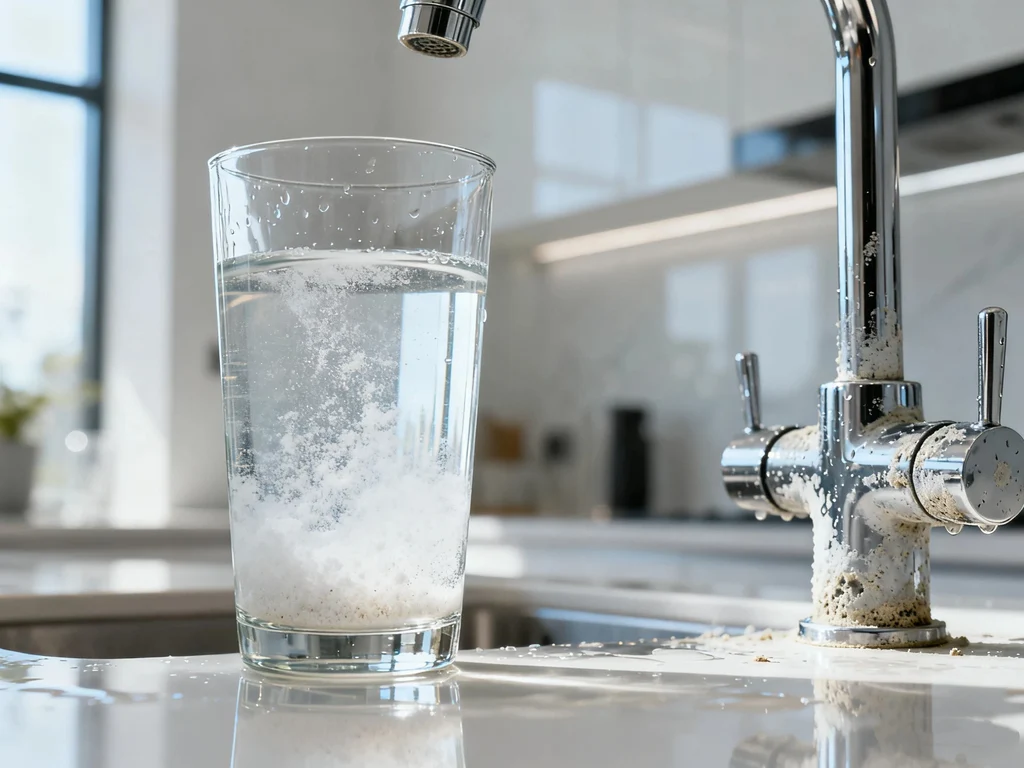
One of the most common examples is hard water. It may look completely clear in a glass, yet leave a stubborn film on fixtures, make cleaning more difficult, and gradually contribute to mineral buildup inside plumbing and appliances.
The main culprits are naturally occurring calcium and magnesium minerals. They aren’t inherently bad simply because they’re present in water. In fact, both are naturally occurring minerals. The household issue comes from concentration: when levels are high enough, they can create scale and make everyday maintenance more frustrating.
Where Water Hardness Comes From
Hardness usually develops as groundwater travels through underground rock formations. Along the way, water can dissolve minerals and carry them into wells and water supplies.
The amount of hardness varies dramatically by region. Some communities have relatively soft water, while others have water that is noticeably hard. Private wells can be particularly variable because local geology has a strong influence on groundwater chemistry.
You may not notice hardness immediately. Often, the first clue is a white ring around a faucet or spots on a freshly washed glass. Then the showerhead starts looking crusty, soap seems harder to rinse away, and the water heater becomes another place where minerals can accumulate.
It’s a slow process, which is part of what makes it easy to ignore.
Why Scale Becomes a Household Problem
When hard water is heated or allowed to evaporate, dissolved minerals can precipitate and form solid deposits. These deposits can accumulate on surfaces and inside water-using equipment.
A thin layer might not seem important. Over time, however, repeated accumulation can affect heat-transfer surfaces and narrow passages in plumbing components.
Water heaters are particularly relevant because they regularly heat water. Mineral buildup at the bottom of a tank can reduce the space available for efficient heating and contribute to popping, rumbling, or other unusual operating sounds.
This doesn’t mean every noisy water heater has a hardness problem. There can be several causes. But mineral buildup is one possibility worth investigating when hard water is known to be present.
The Connection With Water Heater Maintenance
Homeowners sometimes don’t think about water chemistry until something breaks. By then, the conversation can become much more expensive.
Routine inspection and maintenance can help identify problems before they become major. Depending on the type of heater and local conditions, maintenance may include checking components, flushing sediment, inspecting connections, and following the manufacturer’s recommended service schedule.
If a system has already experienced significant buildup or component damage, professional water heater repairs may be necessary.
It’s important to separate prevention from repair, though. A water softener can reduce hardness entering the plumbing, but it can’t reverse damage that has already occurred. Maintenance and appropriate treatment work together rather than replacing one another.
Can Hard Water Affect Energy Use?
Heating water requires energy, regardless of the type of heater. When mineral scale builds up on heat-transfer surfaces, it can interfere with the efficient movement of heat into the water.
In some circumstances, this may mean the equipment needs to operate differently or for longer periods to deliver the expected hot-water performance.
That doesn’t mean hard water automatically causes a dramatic increase in energy bills. Household water use, heater efficiency, fuel type, temperature settings, insulation, and equipment condition all play roles.
Still, minimizing unnecessary scale can be one part of sensible water-heating maintenance, especially in areas with significant hardness.
What Happens to Faucets and Fixtures?
Hard water leaves some of its most obvious evidence around fixtures.
Faucet aerators can collect mineral deposits. Showerheads may develop restricted openings. Glass shower doors can become covered with spots that seem almost impossible to remove.
Regular cleaning helps, but homeowners dealing with substantial hardness often find themselves cleaning more frequently.
A softener can reduce the minerals responsible for hardness before they reach these fixtures. That doesn’t eliminate the need for cleaning, but it can make routine maintenance less of a battle.
Laundry and Cleaning Can Feel Different Too
Hard water isn’t just a plumbing issue.
Minerals can interact with soaps and detergents, potentially making them less effective. Clothes may feel different after washing, and soap residue can be more noticeable.
Some homeowners compensate by using more detergent, but more isn’t necessarily better. Excess detergent can create its own residue and isn’t a substitute for addressing the water chemistry.
If hard water is confirmed, changing cleaning habits and considering appropriate water treatment may make household chores easier.
Testing Is the First Sensible Step
Before buying a water softener, get the water tested.
A test can establish the hardness level and identify other characteristics that might influence treatment. This matters because water problems often overlap.
For example, a home may have hardness along with iron, sediment, or unusual pH. Treating only one issue may leave another untouched.
Testing also helps determine whether treatment is necessary at all. If hardness is low and household effects are minimal, you may reasonably decide that a softener isn’t worth the ongoing cost.
There is no prize for owning the most complicated water-treatment system.
How Water Softeners Help
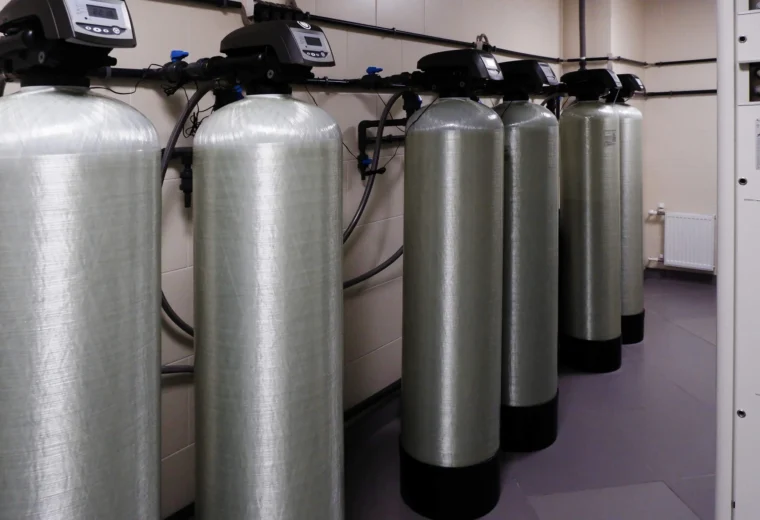
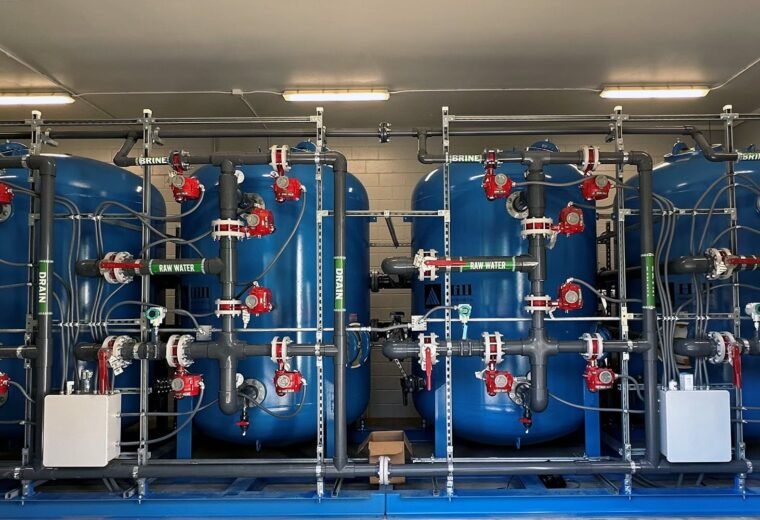
Traditional ion-exchange water softeners work by exchanging hardness ions for sodium or potassium ions, depending on the system and regeneration medium.
As water passes through resin, calcium and magnesium are captured by the resin. Once its capacity is reached, the system regenerates the resin so it can continue operating.
The size and settings of a softener should match the household’s actual water conditions and usage. Oversizing can increase unnecessary resource use, while undersizing can lead to frequent regeneration and inadequate capacity.
Professional sizing can take into account water hardness, household size, water consumption, and peak demand.
Not Every Home Needs the Same Treatment
There are also salt-free conditioning technologies marketed for hard-water applications. These approaches don’t operate in exactly the same way as ion-exchange softeners and generally shouldn’t be assumed to reduce hardness in the same manner.
Other filtration technologies may address different concerns entirely.
That’s why comparing systems based only on advertising language can be misleading. Look at what the equipment is designed to do, what it doesn’t do, and what maintenance it requires.
Don’t Ignore the Age of Your Equipment
Older water heaters and plumbing systems may have accumulated years of mineral exposure.
If you move into an older home, it’s worth finding out what kind of water treatment, if any, has been used previously. Look for signs of scale around valves and fixtures and ask whether the water heater has received routine maintenance.
You don’t need to replace everything simply because the plumbing is old. A basic inspection can help establish what condition the system is actually in.
A Practical Way Forward
Hard water is usually not a dramatic problem. It’s a gradual one.
You notice spots, then scale, then perhaps changes in appliance performance. Eventually, the little annoyances become frequent enough to demand attention.
Understanding the role of calcium and magnesium helps put those symptoms into perspective. Testing can tell you how hard the water really is, while proper maintenance can help protect water-using equipment.
If treatment is appropriate, a correctly sized softener may reduce hardness-related scale throughout the home. But the goal shouldn’t be to install equipment simply because hard water sounds undesirable.
The better approach is practical: test the water, understand the results, maintain your appliances, and choose treatment that addresses a genuine household need. Sometimes the simplest solution is the one that makes the biggest difference—not because it promises perfect water, but because it quietly removes one more everyday problem from your to-do list.