Clean water is one of those things we rarely think about until something seems wrong. Maybe there’s an odd smell from the tap, a strange taste in your morning tea, or white buildup around faucets and showerheads. Sometimes the signs are obvious. Other times, the water looks perfectly clear while still containing substances you’d rather not have around.
That’s why choosing the right water treatment solution matters. Different water problems need different approaches, and understanding what each system actually does can help homeowners make a smarter decision instead of simply buying the first filter they see.
Why Water Quality Deserves More Attention
Water quality can vary considerably from one home to another. Municipal water goes through treatment, but its quality can still be affected by the distribution system, plumbing materials, storage tanks, or local conditions. Private well water can have an entirely different set of concerns.
Some problems are mostly about comfort, such as hard water that leaves mineral deposits. Others are related to contaminants that can affect water safety. The tricky part is that not every issue can be detected by looking at a glass of water.
A basic water test is often a good starting point. It gives you a clearer picture of what you’re dealing with and prevents you from spending money on treatment that isn’t actually necessary.
UV Purification: An Extra Layer of Protection
For homes concerned about microorganisms in their water supply, ultraviolet treatment can be an interesting option. UV Purification Systems use ultraviolet light to treat water as it passes through the system. Rather than adding chemicals, the process relies on UV energy to interfere with the ability of microorganisms to reproduce.
One important thing to remember, though, is that UV treatment isn’t designed to remove every type of contaminant. It doesn’t solve problems such as hardness, dissolved metals, or unpleasant tastes caused by certain chemicals. In many homes, UV treatment works best as part of a broader water-treatment setup.
The water also needs to be relatively clear for UV light to work effectively. Sediment and particles can interfere with the light, which is why pre-filtration is often used alongside a UV unit.
The Everyday Problem of Hard Water
Hard water is extremely common, and while it may not always create a serious health concern, it can certainly become a household nuisance.
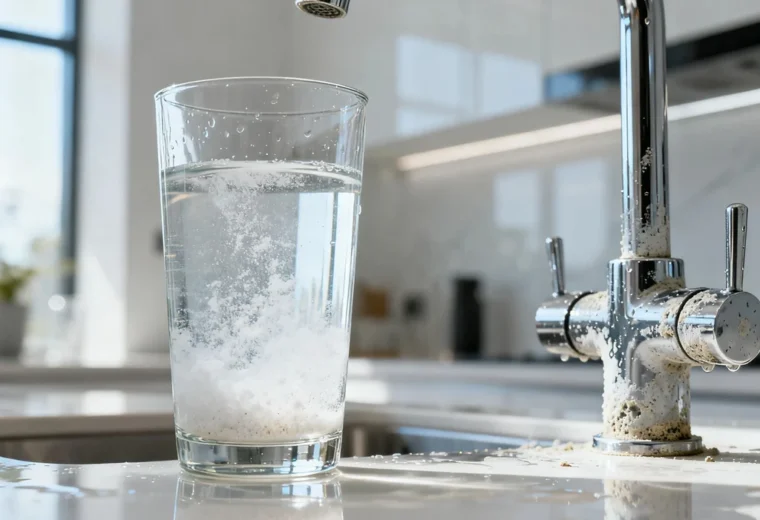
Hard water contains minerals such as calcium and magnesium. Over time, those minerals can form scale inside pipes and appliances. You may notice cloudy spots on glassware, crusty deposits around taps, or soap that seems strangely difficult to rinse away.
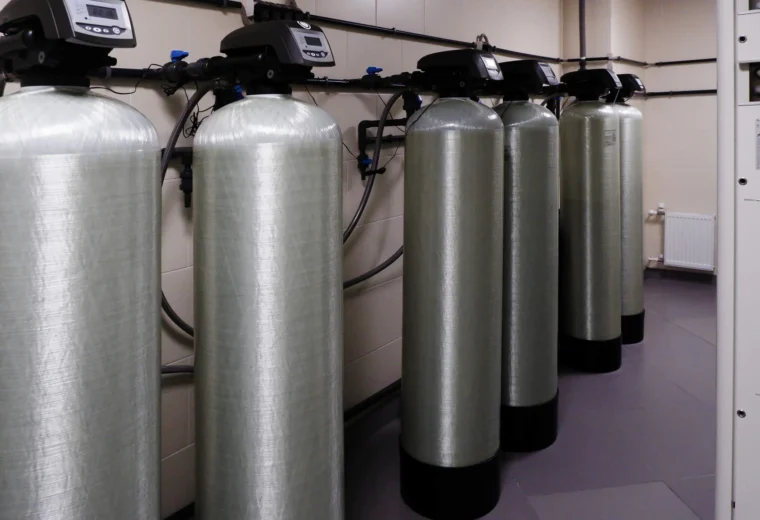
This is where Water Softeners can make a noticeable difference. A traditional water softener reduces hardness minerals through an ion-exchange process, helping water feel smoother and reducing scale formation.
For many households, the biggest benefit is simply convenience. Showering can feel different, laundry may come out cleaner, and appliances that heat water don’t have to battle as much mineral buildup.
What About Harmful Microorganisms?
The phrase harmful microorganisms can sound alarming, but it’s important not to jump to conclusions. Water quality concerns vary depending on the source, and not every home has the same risks.
Bacteria, viruses, and other microorganisms can potentially enter water through environmental contamination, damaged infrastructure, or poorly maintained private wells. If you’re relying on well water, regular testing becomes especially important because contamination can happen without obvious changes in taste or appearance.
If testing identifies a microbiological concern, treatment should be selected according to the specific problem. UV systems may be appropriate in certain situations, but professional assessment is valuable before deciding what equipment to install.
Why One System Doesn’t Solve Every Water Problem
One of the biggest mistakes homeowners make is expecting a single device to fix every water-quality issue. Water treatment doesn’t quite work that way.
A sediment filter can capture physical particles, but it isn’t necessarily designed to remove dissolved minerals. A softener can reduce hardness, but it won’t automatically eliminate every microorganism or chemical contaminant. UV treatment can address certain microbiological concerns, but it doesn’t remove minerals from the water.
Think of it like fixing a car. You wouldn’t use a tire pump to solve an engine problem simply because both involve the same vehicle. Water treatment works in much the same way: identify the problem first, then choose the appropriate solution.
Maintenance Matters More Than People Think
Even a high-quality water treatment system needs attention. Filters need replacing, UV lamps eventually need servicing, and softeners may require salt or other routine maintenance depending on the design.
Neglecting maintenance can reduce performance and, in some cases, create new problems. A system sitting in a corner of the garage isn’t useful if nobody checks it for years.
It’s worth keeping a simple maintenance schedule. Mark filter-change dates on your calendar, follow the manufacturer’s service recommendations, and have the system inspected when something seems unusual.
Choosing the Right Water Treatment Approach
Before investing in equipment, start with the water itself. A professional water analysis can help identify hardness, sediment, microbial concerns, metals, or other contaminants.
From there, consider your household’s actual needs. A family using private well water may require a different setup from someone living in a city apartment. The size of the household, daily water consumption, existing plumbing, and available space can all influence the right choice.
Cost matters, too, but don’t look only at the purchase price. Installation, replacement filters, electricity, salt, servicing, and long-term operating expenses can make a cheaper system more expensive over time.
Better Water Starts With Better Information
There’s something reassuring about knowing exactly what comes out of your tap. Instead of guessing based on taste or appearance, testing gives you useful information and makes the treatment decision much more straightforward.
The goal isn’t to install the biggest or most complicated system available. It’s to create a treatment setup that matches your water quality and your household’s needs.
Whether the issue is mineral-heavy water, sediment, or a microbiological concern, the smartest approach is fairly simple: test first, understand the problem, and treat accordingly. Good water treatment isn’t about chasing every possible contaminant. It’s about making informed choices that keep everyday water cleaner, more comfortable, and more dependable.