Water Problems Aren’t Always the Same
Water is such a normal part of daily life that we rarely stop to question it. We drink it, cook with it, bathe in it, and rely on it for countless household tasks. But when something changes—a strange taste, mineral buildup, cloudy water, or a stubborn ring around the sink—it quickly becomes noticeable.
The tricky part is figuring out what to do next. There are plenty of filters, softeners, purification systems, and treatment technologies available, and every product seems to promise something different. The smartest starting point, however, is surprisingly simple: understand your water before choosing the equipment.
A home doesn’t need every possible treatment option. It needs the right one.
Start by Understanding Your Water
Water quality can vary depending on the local supply, plumbing, water source, and even the age of a property. Two homes on the same street may have slightly different experiences because their plumbing systems and household needs aren’t identical.
Testing can reveal important characteristics such as hardness, sediment, chlorine, iron, pH, and other concerns, depending on the type of analysis performed.
Once homeowners know what they’re dealing with, selecting equipment becomes much easier. Instead of purchasing a system because it has a long list of features, they can focus on technology that addresses an actual need.
That’s a much better way to spend money.
Why Customized Treatment Makes Sense
A family of two doesn’t necessarily need the same water system as a family of six. Someone primarily concerned with drinking water may have different priorities from a homeowner dealing with hard-water scale throughout the house.
This is where tailored water treatment solutions can make a real difference. A customized approach considers the home’s water quality, household size, water usage, available installation space, and the problems the homeowner actually wants to solve.
It sounds obvious, but it’s easy to overlook. The biggest system isn’t automatically the best system, and the cheapest one isn’t necessarily the best value.
The right fit matters more than the size of the equipment.
Modern Technology Has Changed Water Treatment
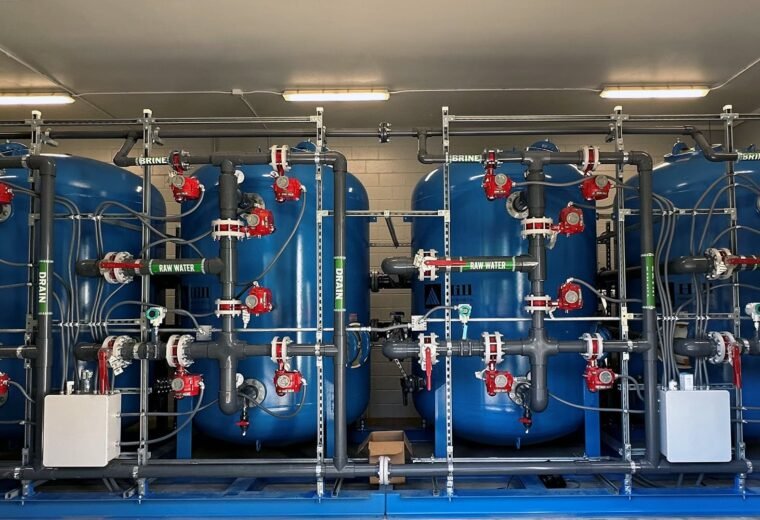
Water treatment technology has evolved considerably. Modern systems can combine multiple treatment stages, use more efficient components, and offer monitoring features that weren’t common in older equipment.
For homeowners interested in cutting-edge technology, the key is to look beyond impressive specifications. Technology should have a useful purpose. A smart monitoring feature is valuable if it helps identify maintenance needs or unusual water usage. Advanced filtration is worthwhile when it addresses a specific water-quality concern.
In other words, newer technology is useful when it makes the system better—not simply because it sounds impressive.
Hard Water Deserves Attention
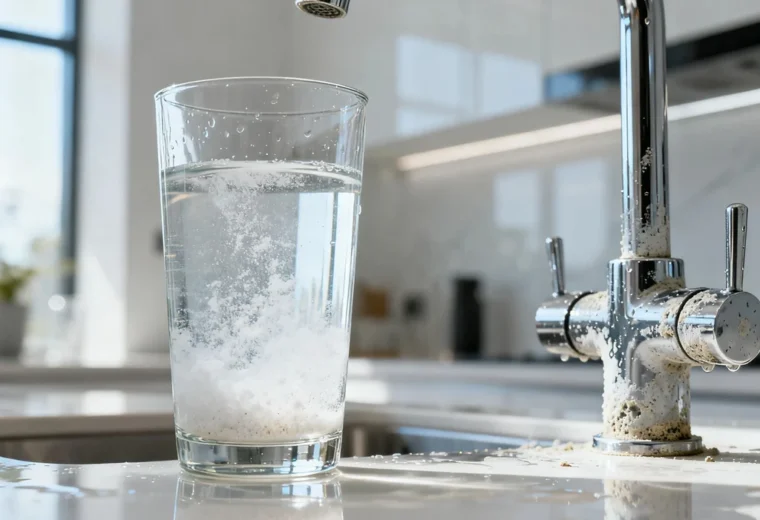
Hard water is one of the most common household concerns. Calcium and magnesium can create mineral deposits around faucets, showerheads, and appliances. Over time, scale may become difficult to remove and can make routine cleaning more frustrating.
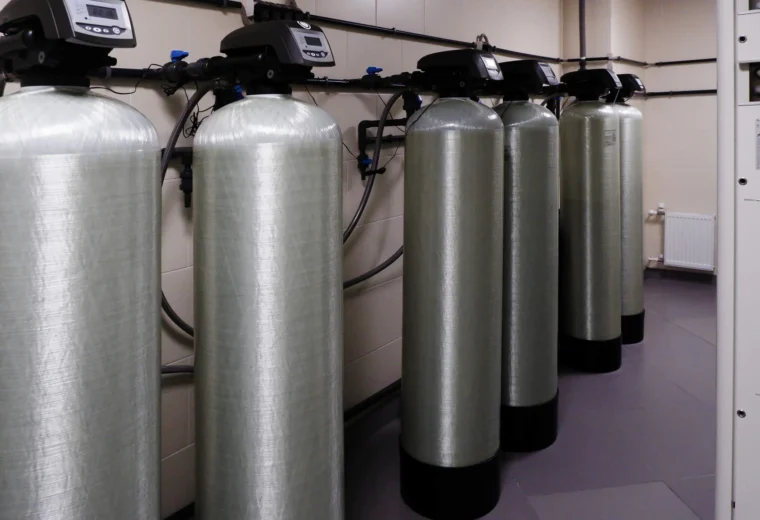
Water softening systems can help reduce the effects of hard water by treating the minerals responsible for hardness.
The benefits can be surprisingly practical. Glassware may look cleaner, shower surfaces can become easier to maintain, and water-using appliances may experience less scale buildup.
Still, homeowners should remember that a softener is designed for hardness. It isn’t a universal filtration system. If other water-quality concerns exist, additional treatment may be appropriate.
Drinking Water Needs Can Be Different
Many homeowners are especially interested in the water they drink and use for cooking. A whole-home system can improve water throughout the property, but some households may also benefit from dedicated drinking-water filtration.
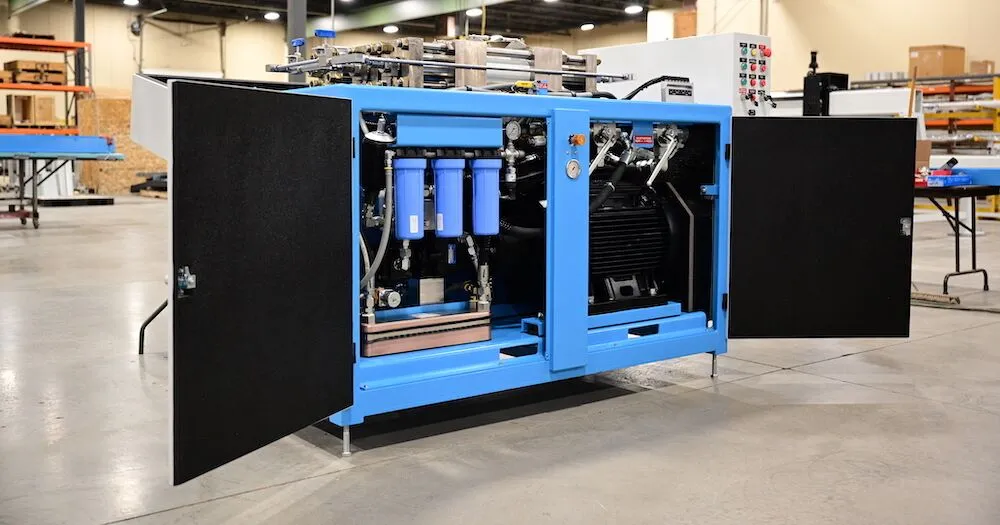
Depending on testing results and household goals, options can include activated carbon filtration, reverse osmosis, or other specialized technologies.
Taste matters too. Water that is technically acceptable may still taste unpleasant to someone accustomed to a particular flavor profile. A good filtration system can make drinking water more appealing, which sounds like a small thing until you realize how often you reach for that glass during the day.
Sometimes convenience is the real benefit.
Efficiency and Sustainability Matter
Water treatment shouldn’t create unnecessary waste. Homeowners are becoming more conscious of how much water their households use, and manufacturers are responding with systems designed for greater efficiency.
Choosing a sustainable treatment approach can mean considering water consumption, filter replacement frequency, energy use, and the overall lifespan of equipment.
There are also simple household habits that help. Fixing leaks quickly, avoiding unnecessary running water, using efficient appliances, and maintaining treatment equipment properly can all reduce waste.
You don’t have to become obsessed with every gallon. A few sensible choices, repeated consistently, can go a surprisingly long way.
Maintenance Keeps Systems Working
Even the best treatment equipment needs attention. Filters become saturated, components wear over time, and certain systems require regular cleaning or servicing.
Homeowners should understand the maintenance schedule before making a purchase. Ask how frequently filters need replacement, which components require professional service, and what routine checks can be performed at home.
Good maintenance helps support reliable system performance over the long term. It can also prevent small issues from turning into expensive repairs.
And honestly, it’s easier to spend a few minutes checking equipment regularly than to discover a problem when you need the system most.
Installation Is Just as Important as Equipment
A quality system can still perform poorly if it’s installed incorrectly. Proper sizing, water pressure, plumbing connections, drainage, and system configuration all matter.
Professional installation can help ensure that the equipment is matched to the home’s water usage and operating conditions.
It also gives homeowners a chance to learn how the system works. Knowing what the controls mean, when filters should be changed, and what warning signs to watch for can make ownership much less stressful.
A good installer should explain these things clearly rather than simply finishing the job and leaving.
Think About Long-Term Value
When comparing water treatment systems, don’t focus only on the purchase price. Consider installation, maintenance, replacement filters, operating costs, warranties, and expected service life.
A system that costs slightly more upfront may provide better value if it requires fewer repairs and has readily available replacement parts. Likewise, an inexpensive system may become costly if its components need frequent replacement.
The best investment is usually the one that performs consistently without demanding constant attention.
Making the Right Water Treatment Choice
Choosing a water treatment system doesn’t have to be overwhelming. Start with testing, identify your biggest concerns, and then compare technologies that address those concerns directly.
Think about your household today, but also consider how your needs might change in the future. A flexible, properly maintained system can continue serving the home for years.
Ultimately, good water treatment isn’t about owning the most complicated equipment available. It’s about making everyday water cleaner, more convenient, and easier to manage.
When the system is properly chosen, correctly installed, and well maintained, it quietly does its job in the background. And really, that’s what you want—a water solution that works so naturally you hardly have to think about it.