There’s a moment most homeowners recognise. You step back, maybe while cleaning or rearranging, and suddenly the walls look… different. Not terrible, not falling apart—but not quite right either. A patch stands out. A stain refuses to fade into the background. The surface doesn’t flow the way it used to.
It’s subtle, but it changes how the whole room feels.
The Art You Don’t Notice—Until It’s Missing
Good walls don’t draw attention. That’s their job. They sit quietly in the background, letting everything else shine. But when a repair has been done poorly, or a section doesn’t match the rest, your eyes go straight to it.
That’s where texture matching becomes surprisingly important. It’s not just about fixing a spot—it’s about blending it so well that it disappears completely. Whether it’s an orange peel finish, knockdown texture, or something older and harder to replicate, getting it right requires patience and a bit of instinct.
Because when textures don’t align, even fresh paint can’t hide the difference. And once you see it, it’s hard to ignore.
When Water Leaves Its Mark
Water damage has a way of creeping in quietly. A small leak behind a wall. A bit of moisture near the ceiling. At first, it might just look like a faint discoloration, something you assume will dry out on its own.
But water doesn’t always play nice.
It seeps, spreads, and sometimes weakens the structure beneath the surface. That soft patch you press on lightly? It might be more than just a cosmetic issue. That’s where water damage repair becomes essential—not just to fix what’s visible, but to address what’s happening underneath.
Because if the source isn’t handled properly, the problem tends to come back. And often, worse than before.
Preparing for a Fresh Start
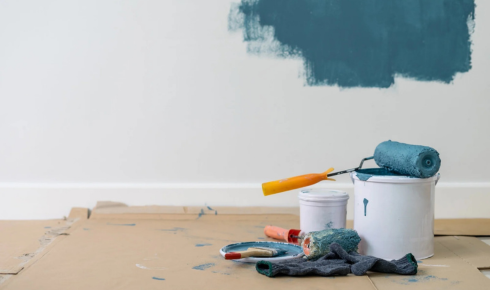
There’s something hopeful about the idea of repainting a room. A new colour, a fresh finish—it can change the entire mood of a space. But here’s the part many people overlook: paint only looks as good as the surface beneath it.
If the wall isn’t properly prepared, the final result won’t feel right. Imperfections show through. Uneven patches become more noticeable, not less.
That’s why painting prep matters more than most expect. It’s the behind-the-scenes work—sanding, smoothing, cleaning—that sets the stage for everything else. When done well, the paint doesn’t just sit on the wall; it becomes part of it.
And the difference? You feel it immediately.
Living With Imperfections (Until You Don’t)
We all get used to small flaws in our homes. A patch here, a stain there—it becomes part of the environment. You stop noticing it consciously, even though it’s still there.
But every now and then, it catches your eye again. Maybe in a certain light, or from a different angle. And suddenly, it feels like something that needs attention.
Fixing these things isn’t about chasing perfection. It’s about restoring a sense of balance. Making the space feel intentional again, rather than something you’ve adapted to over time.
DIY Efforts vs. Getting It Just Right
There’s always that urge to handle it yourself. And honestly, there’s nothing wrong with that. Small fixes can be manageable, even satisfying.
But some tasks—especially those involving textures, water damage, or proper preparation—require a level of detail that’s easy to underestimate. A repair might hold, but if it doesn’t blend well, it can stand out even more than the original problem.
That’s where experience makes a difference. Not because the work is impossible, but because doing it seamlessly takes practice. It’s about knowing how materials behave, how finishes interact, how to make everything look like it was never touched.
The Feeling of a Space That’s Been Reset
There’s a certain calm that comes with a well-finished room. Walls that look consistent, surfaces that feel smooth, nothing pulling your attention in the wrong direction.
You don’t walk in and think, “That’s a great repair job.” You just feel like the space is… complete.
And that’s really the goal. Not to impress, not to show off—but to create an environment that feels easy to live in.
It’s More Than Just Walls
At the end of the day, fixing and preparing walls isn’t just about aesthetics. It’s about how a space supports you. How it reflects the care you put into it.
A well-matched texture, a properly repaired surface, a thoughtfully prepared wall before painting—these are small things on their own. But together, they shape how your home feels every single day.
And maybe that’s why they matter more than we think. Not because they’re visible, but because they quietly influence everything else around them.
Sometimes, the best work is the kind you don’t notice at all.