Water storage systems are easy to forget about. When the tank is working properly, you rarely think about what is happening inside it. But water doesn’t stay perfectly clean just because it sits in a closed container. Over time, dust, leaves, tiny particles, and naturally occurring microorganisms can find their way into a storage system.
That doesn’t mean every tank is unsafe or that homeowners should constantly worry. It simply means stored water needs sensible care. Regular inspections, proper covers, cleaning, and appropriate treatment can go a long way toward keeping a water system in good condition.
How Organic Material Gets Into Stored Water
Even a well-designed storage tank can encounter material from its surroundings. Rainwater systems, for example, collect water from roofs and gutters, while well-water systems can sometimes carry particles from underground sources.
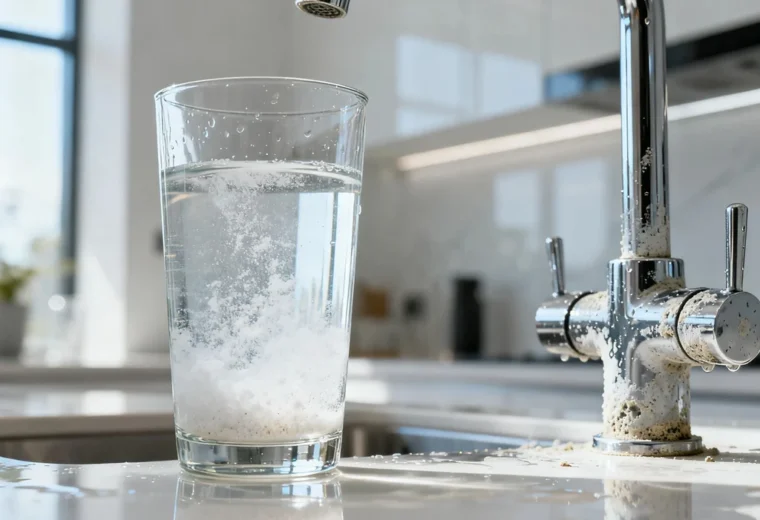
Organic material may include leaves, plant fragments, insects, soil particles, and other naturally occurring matter. If it enters a tank and remains there, it can settle at the bottom or contribute to changes in water appearance and odor.
Good prevention starts before water reaches the tank. Keeping gutters clean, using suitable screens, maintaining secure tank covers, and inspecting collection areas can reduce the amount of unwanted material entering the system.
It’s a simple idea, really: cleaner water going in usually means less cleanup later.
Why Bacteria Deserve Attention
Water naturally contains microorganisms. Their presence alone doesn’t automatically mean something is wrong.
However, Bacteria can become a concern when conditions allow certain organisms to multiply or when contamination enters the water supply. Private wells, storage tanks, and rainwater systems require particular attention because they can be exposed to environmental sources of contamination.
A sudden change in water odor, appearance, or taste can be a reason to investigate, although these signs alone cannot confirm bacterial contamination.
Testing is the better way to understand what is happening. If a test identifies bacterial contamination, the source should be investigated and appropriate disinfection or treatment considered.
What Is Biofilm?
One of the less visible issues in water systems is Biofilm.
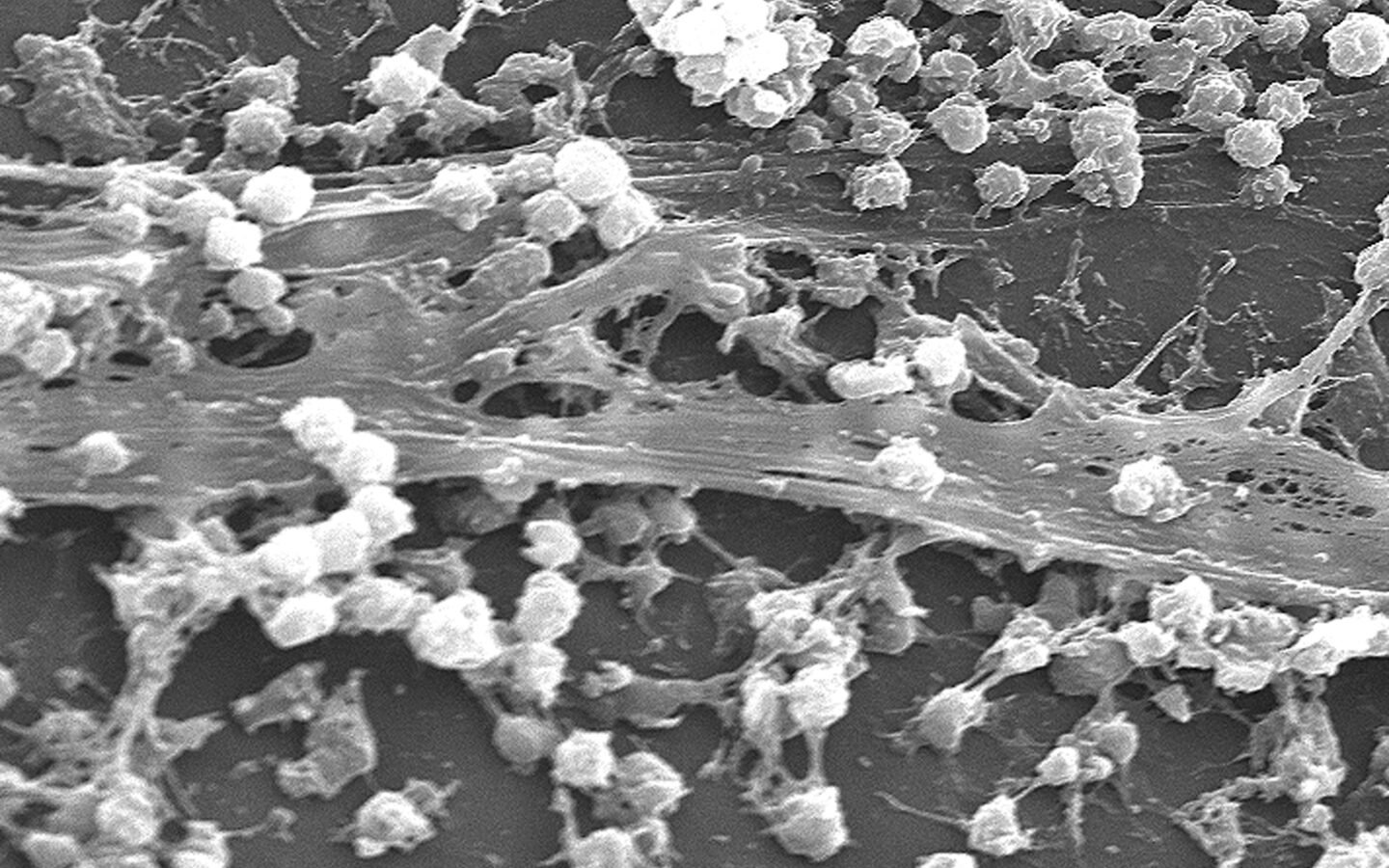
Biofilm is a community of microorganisms that can attach themselves to surfaces and become surrounded by a protective layer. It can develop in pipes, tanks, filters, and other areas where water remains in contact with surfaces.
Not every biofilm is necessarily harmful, but its presence can make cleaning and water-quality management more complicated.
Standing water, warm temperatures, nutrients, and surfaces that aren’t regularly cleaned can create conditions that support microbial growth. That’s one reason storage systems benefit from proper design and periodic maintenance.
Why Tank Cleaning Matters
A storage tank doesn’t need constant cleaning, but completely ignoring it for years isn’t a good idea either.
Over time, sediment and other material can collect at the bottom. If the tank is accessible, an inspection can reveal whether deposits have become significant or whether components need attention.
Cleaning procedures depend on the type of tank and what the stored water is used for. Drinking-water systems require greater care than tanks used solely for irrigation or other non-potable purposes.
If you’re uncertain about the appropriate cleaning method, professional help is preferable to using random chemicals or household cleaners that may not be suitable for water storage.
Keep the Water Source Protected
A clean tank can still have problems if contamination keeps entering from the source.
For rainwater systems, gutters and downspouts should be inspected regularly. Leaves and dirt can accumulate quickly, especially during storms or windy weather.
For private wells, the area around the wellhead should be protected from obvious contamination sources. Damage to well components, flooding, or surface water entering the well can create serious water-quality concerns.
The goal is prevention. You don’t want to spend time cleaning a tank only to have the same problem return because the source was never addressed.
Filtration Can Help, But It Has Limits
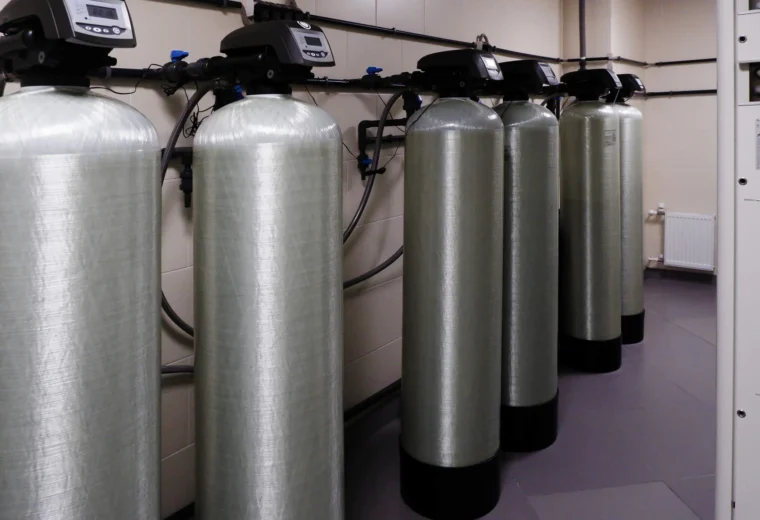
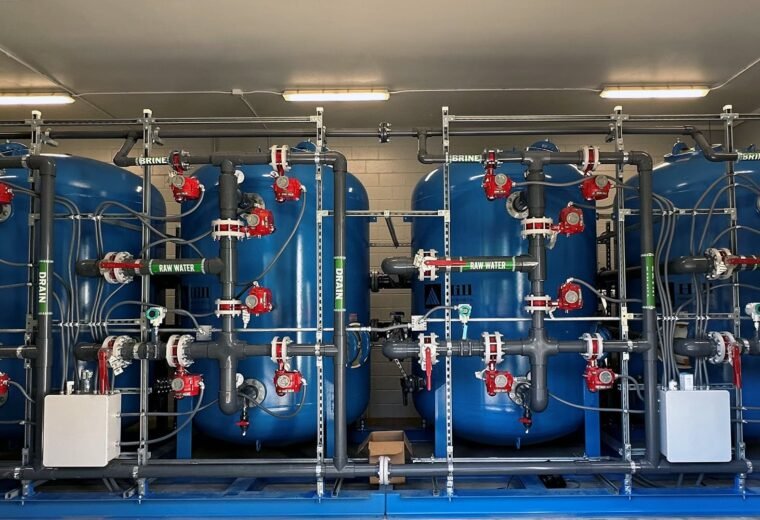
Filtration can be useful for reducing sediment, particles, and certain other substances, depending on the filter design.
But no single filter should be assumed to solve every water-quality problem. A sediment filter, for example, isn’t a substitute for a disinfection system when microbiological contamination is present.
Choosing treatment based on actual water-test results is usually much more effective than buying equipment because it sounds impressive.
Read the specifications. Ask what the system is designed to remove or reduce, how often components need replacement, and whether professional servicing is recommended.
Don’t Forget About Maintenance
Water treatment and storage systems work best when they receive regular attention.
Check tank covers and access points. Look for leaks. Inspect filters. Keep collection areas clean. Record cleaning and service dates so you don’t have to rely on memory.
If the water source changes suddenly or the water starts behaving differently, investigate rather than simply waiting for the problem to disappear.
Maintenance doesn’t have to become a huge household project. A few minutes of attention every so often can prevent much bigger headaches.
When Water Testing Makes Sense
Testing can be particularly useful after flooding, well repairs, major plumbing changes, or noticeable changes in water quality.
For private wells, routine testing is an important part of responsible ownership. The exact tests and frequency depend on local conditions and the water source.
If you’re unsure what to test for, a qualified water professional or appropriate local authority can help identify reasonable testing options.
The point isn’t to become obsessed with laboratory numbers. It’s to have enough information to make a sensible decision.
Keeping Stored Water in Better Condition
Clean stored water doesn’t happen by accident. It comes from a combination of good system design, protected water sources, sensible cleaning, appropriate testing, and regular maintenance.
You don’t need to panic every time you see a little sediment or notice a slight change in taste. But recurring problems deserve attention.
A well-maintained storage system should quietly do its job without creating unnecessary worry. By keeping unwanted material out, monitoring water quality, and addressing problems early, homeowners can protect both their water supply and the equipment that supports it.
In the end, good water management is mostly about consistency. Small habits today can prevent much bigger problems tomorrow — and that’s usually the smartest kind of maintenance.