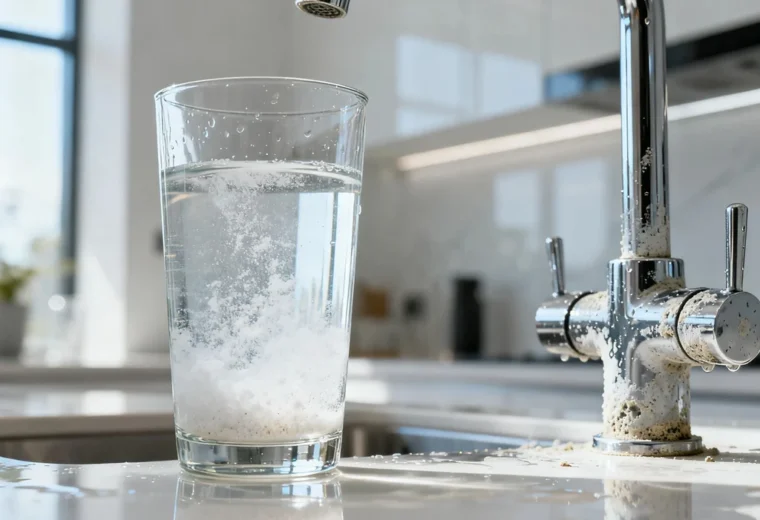
There’s a certain point — not dramatic, just quiet — when you begin to notice your water. It might be the way your skin feels after a shower, slightly tighter than it used to. Or the faint aftertaste in your morning tea that wasn’t there before. Sometimes it’s just the look of your sink, those chalky marks that keep coming back no matter how often you wipe them away.
You don’t panic. You just… start wondering.
And once that curiosity sets in, it tends to stick around longer than you expect.
The Subtle Clues We Often Ignore
Water issues rarely show up all at once. They ease into your routine, blending in with everything else. A bit more soap to get a decent lather. A second rinse for your dishes. Maybe replacing a kettle sooner than you’d like.
Individually, these things don’t feel like problems. But together, they form a pattern — one that suggests your water might not be as balanced as it could be.
And that’s where the idea of improving it begins to take shape.
When Hard Water Starts Running the Show
For many homes, the biggest underlying issue is hard water. It’s loaded with minerals like calcium and magnesium, which aren’t harmful, but they can be surprisingly disruptive.
Hard water leaves behind residue, reduces cleaning efficiency, and slowly wears down appliances. You adapt, of course — we all do — but it’s a bit like driving with the handbrake slightly on. Things work, just not as smoothly as they should.
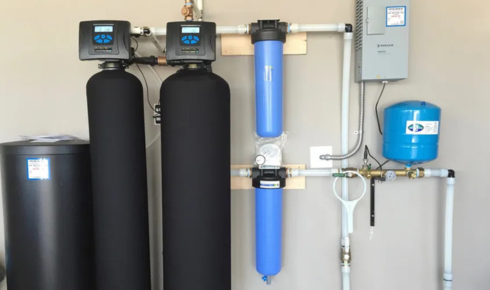
That’s where a water softener system often becomes part of the conversation. It helps reduce those excess minerals, allowing water to behave the way you expect it to. Softer on your skin, easier on your laundry, kinder to your plumbing.
It’s not flashy, but it’s noticeable in the best kind of way.
It’s Not Just About Softness
Once you start thinking about water quality, you realize it’s not only about hardness. There’s a whole spectrum of factors — taste, clarity, chemical content — that influence how water feels and performs.
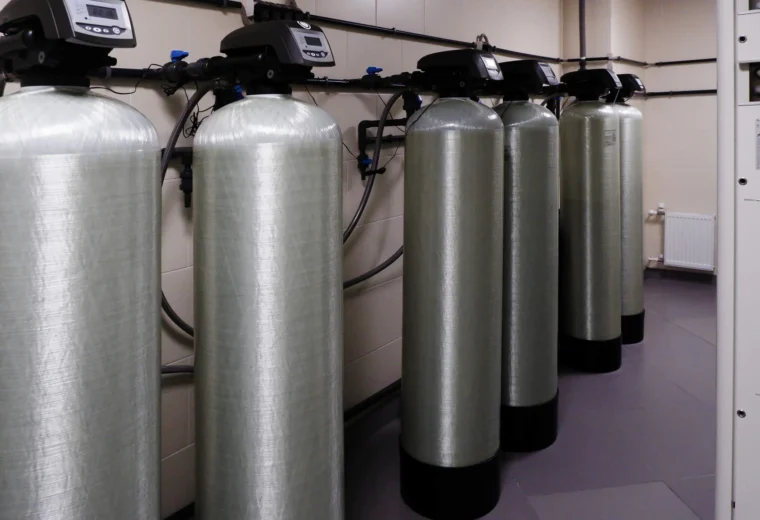
That’s why people begin exploring broader water filtration solutions. These systems go beyond softening, targeting impurities that might affect drinking water or overall quality. Chlorine, sediment, even trace contaminants — they’re often invisible, but they can shape your experience more than you’d think.
The goal isn’t perfection. It’s balance. Water that feels clean, consistent, and reliable.
When Your Water Comes From the Ground
If your home relies on a private well, the conversation changes a bit. Well water can be incredibly fresh, but it also comes with its own set of challenges — minerals, iron, sometimes even bacteria, depending on the source.
In these cases, a well water filter becomes less of an upgrade and more of a necessity. It’s about making sure the water you’re using every day is safe, usable, and comfortable across all aspects of your routine.
And because well water varies so much from place to place, the solution often needs to be tailored — not just installed and forgotten.
Finding What Actually Works for You
One thing worth remembering: there’s no universal answer to water quality. What works perfectly for one home might not make sense for another.
Some people go all-in with comprehensive systems that address multiple concerns at once. Others take a more gradual approach — starting with the most noticeable issue and building from there.
Both approaches are valid.
What matters is understanding what you’re experiencing. Is it the taste? The buildup? The feel of your water? Once you know what’s bothering you, the options become easier to navigate.
The Changes You Don’t Notice Right Away
Here’s the interesting part — improving your water doesn’t come with a big “wow” moment. It’s not like flipping a switch and suddenly everything feels different.
Instead, the changes are quieter.
Your showers feel more comfortable. Your dishes come out cleaner. Your clothes feel softer. You stop noticing those small frustrations that used to be part of your day.
And over time, that absence of annoyance becomes its own kind of comfort.
A Quiet Upgrade That Stays With You
At the end of the day, water is one of those essentials that quietly shapes your life. You don’t think about it much — until something feels off.
And when you decide to improve it, even in a small way, the impact lingers.
Not in a loud, obvious way. But in the ease of your daily routine. The way things just work a little better, without effort.
Because sometimes, the most meaningful changes aren’t the ones you see right away — they’re the ones you feel, every single day, without needing to think about them.