There’s something about living near the water that changes how you think about it. In a place like Annapolis, where the Chesapeake Bay is part of the landscape and the air carries a hint of salt and history, water feels less like a utility and more like a presence.
And yet, the water coming out of your tap is a different story altogether.
It’s treated, regulated, monitored—but still, it has its own quirks. Subtle ones. The kind you don’t always notice right away, until one day you do.
When Familiar Starts to Feel Different
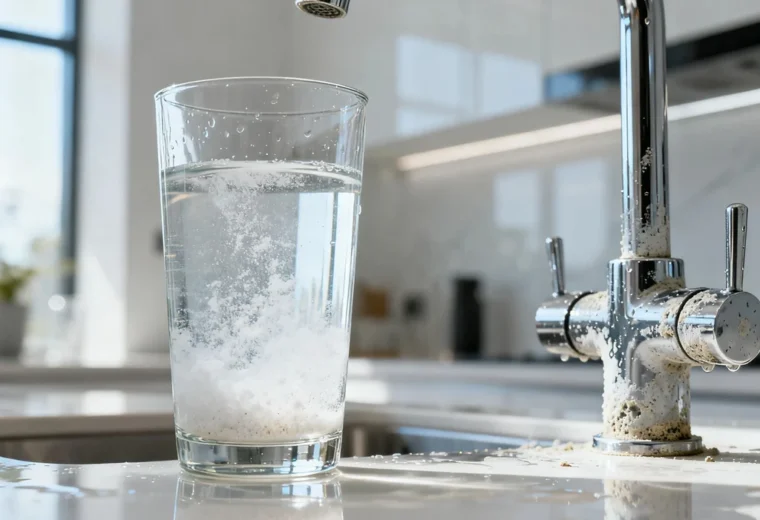
Most people don’t think twice about their tap water until something shifts. Maybe your morning coffee tastes slightly off. Or your glassware starts looking a bit cloudy even after a proper wash.
It’s rarely dramatic. More like a quiet nudge.
In conversations around annapolis water quality, you’ll often hear mixed experiences. Some residents are perfectly satisfied, while others notice variations depending on where they live, the age of their plumbing, or even the season.
That’s the thing—water isn’t static. It changes. And in coastal regions, those changes can be more noticeable than you’d expect.
The Role of Geography in Your Tap Water
Living near a large body of water like the Chesapeake Bay has its advantages, but it also introduces certain complexities.
The surrounding environment—soil composition, rainfall patterns, nearby infrastructure—all play a role in shaping what eventually flows into your home. Add to that the journey water takes through pipes and treatment systems, and it becomes clear that what reaches your tap is the result of many moving parts.
These local water conditions can influence everything from mineral content to taste. Some homes might deal with harder water, others with slight chemical notes or sediment.
None of it is necessarily alarming. But it does explain why your experience might differ from someone just a few blocks away.
Understanding Before Changing Anything
It’s tempting to jump straight into solutions the moment you notice something off. But a better first step? Understanding.
Testing your water—even just once—can reveal a lot. It helps you see beyond guesswork and identify what’s actually present, whether it’s minerals, chlorine, or other trace elements.
And often, the results are less intimidating than expected. Sometimes, it’s not about fixing a problem—it’s about refining what’s already there.
Finding What Works for Your Home
Once you have a clearer picture, exploring water treatment solutions starts to make more sense.
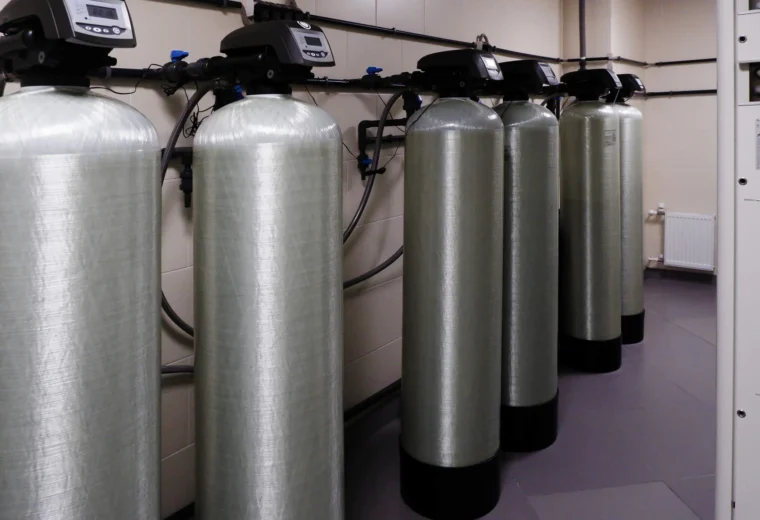
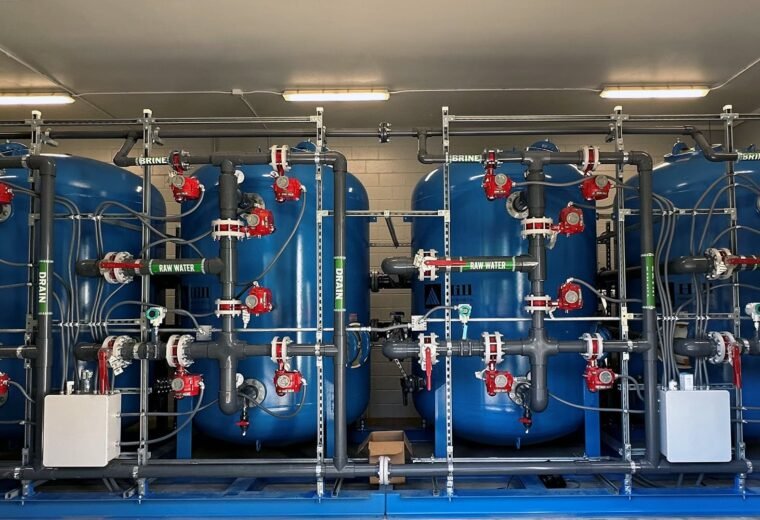
There’s no universal answer here. Some households benefit from simple filtration at a single tap. Others prefer whole-home systems that address water quality across the board.
It really comes down to what matters most to you. Taste? Appliance longevity? Skin comfort? Each priority leads to a slightly different approach.
And the good news is, you don’t have to overhaul everything at once. Small, targeted changes can make a noticeable difference.
The Everyday Impact You Might Overlook
Water quality isn’t just about what you drink. It shows up in small, everyday moments.
The way your laundry feels after a wash. How easily soap rinses off in the shower. The lifespan of your appliances—your dishwasher, your water heater, even your coffee maker.
These aren’t things we usually connect to water. But over time, they’re influenced by it more than we realize.
And when you improve your water, those changes tend to follow.
Keeping It Practical, Not Perfect
It’s easy to get caught up in trying to find the “perfect” solution. The most advanced system, the highest level of filtration, the best possible outcome.
But perfection isn’t always necessary.
What most people need is something practical—something that fits their home, their budget, and their daily habits. A solution that improves comfort without adding complexity.
Start with one change. See how it feels. Adjust from there.
Listening to What Your Water Is Telling You
Sometimes, the signs are subtle. A faint taste. A slight buildup. A feeling that something isn’t quite right, even if you can’t explain it.
Other times, they’re clearer. Reduced water pressure. Stains on fixtures. Appliances that don’t last as long as they should.
Either way, your water is communicating something. Not urgently, not dramatically—but consistently.
And paying attention to those signals can save you from bigger issues down the line.
Final Thoughts: A Personal Relationship With Water
In a place like Annapolis, water is part of the identity. It shapes the environment, the lifestyle, even the pace of life.
So it makes sense to think a little more deeply about the water inside your home as well.
Not out of concern, but out of curiosity. Out of a desire to make something already essential feel just a bit better.
Because at the end of the day, water isn’t just something you use. It’s something you live with.
And when it feels right—clean, consistent, reliable—you don’t think about it at all.
Which, in a way, is the best outcome you can hope for.