There are some home systems you only notice when they stop behaving properly. Plumbing is a perfect example. When the kitchen faucet works, the shower stays warm and the water heater quietly does its job, nobody gives much thought to what is happening behind the walls.
Then a faucet starts dripping at midnight. The shower suddenly turns cold. Or the water heater makes a strange noise that sounds like it has developed an attitude.
These problems can be frustrating, but they don’t always require a major overhaul. Often, the key is understanding the warning signs, choosing the right equipment and getting the right repair at the right time. A little attention now can prevent a much more expensive headache later.
Start With the Fixtures You Use Every Day
Faucets are among the most frequently used plumbing fixtures in any home. Kitchen taps, bathroom sinks and shower controls may be operated dozens of times every day.
Naturally, parts wear out.
A dripping faucet may have a worn cartridge, damaged seal, loose connection or mineral buildup. Sometimes cleaning or replacing a small component is enough. Other times, the fixture itself has simply reached the end of its useful life.
Professional faucet installation & repair can help ensure that the fixture is installed correctly and that underlying problems aren’t overlooked.
When replacing a faucet, don’t focus only on appearance. Consider water flow, compatibility, installation requirements and long-term durability. A beautiful fixture isn’t much use if it doesn’t work properly with the existing plumbing.
Know the Signs of a Water Heater Problem
Hot water is one of those modern conveniences that feels almost invisible until it’s gone.
If the water takes longer to heat, runs cold unexpectedly or changes temperature during a shower, something may be wrong. Strange noises, leaks and rusty-looking water can also signal trouble.
For homes using storage-tank systems, conventional hot water heater repair, or replacement may become necessary as equipment ages.
The right choice depends on the condition of the heater. A relatively new system with a minor component failure may be worth repairing. An older unit with repeated problems or serious corrosion may make replacement more sensible.
A professional inspection can help determine whether you’re looking at a repairable issue or a system that’s nearing the end of its working life.
What Makes a Water Heater Last Longer?
No water heater lasts forever, but sensible maintenance can help.
Sediment can accumulate inside some tank-style systems, particularly where the incoming water contains significant minerals. Over time, buildup can affect efficiency and contribute to wear.
Following the manufacturer’s maintenance recommendations is a good starting point. Homeowners should also pay attention to leaks around connections, changes in water temperature and unusual sounds.
If you notice water around the base of a tank, don’t simply wipe it up and forget about it. The source matters. A minor connection leak and a compromised tank are two very different situations.
Tankless Systems Need Their Own Kind of Care
Tankless water heaters have become increasingly popular because they heat water on demand rather than storing a large volume continuously.
They can save space and may offer efficiency advantages, but they’re not maintenance-free.
Mineral buildup can affect internal components and heat exchangers, particularly in areas with hard water. If maintenance is neglected, performance may decline and the system can eventually require more expensive attention.
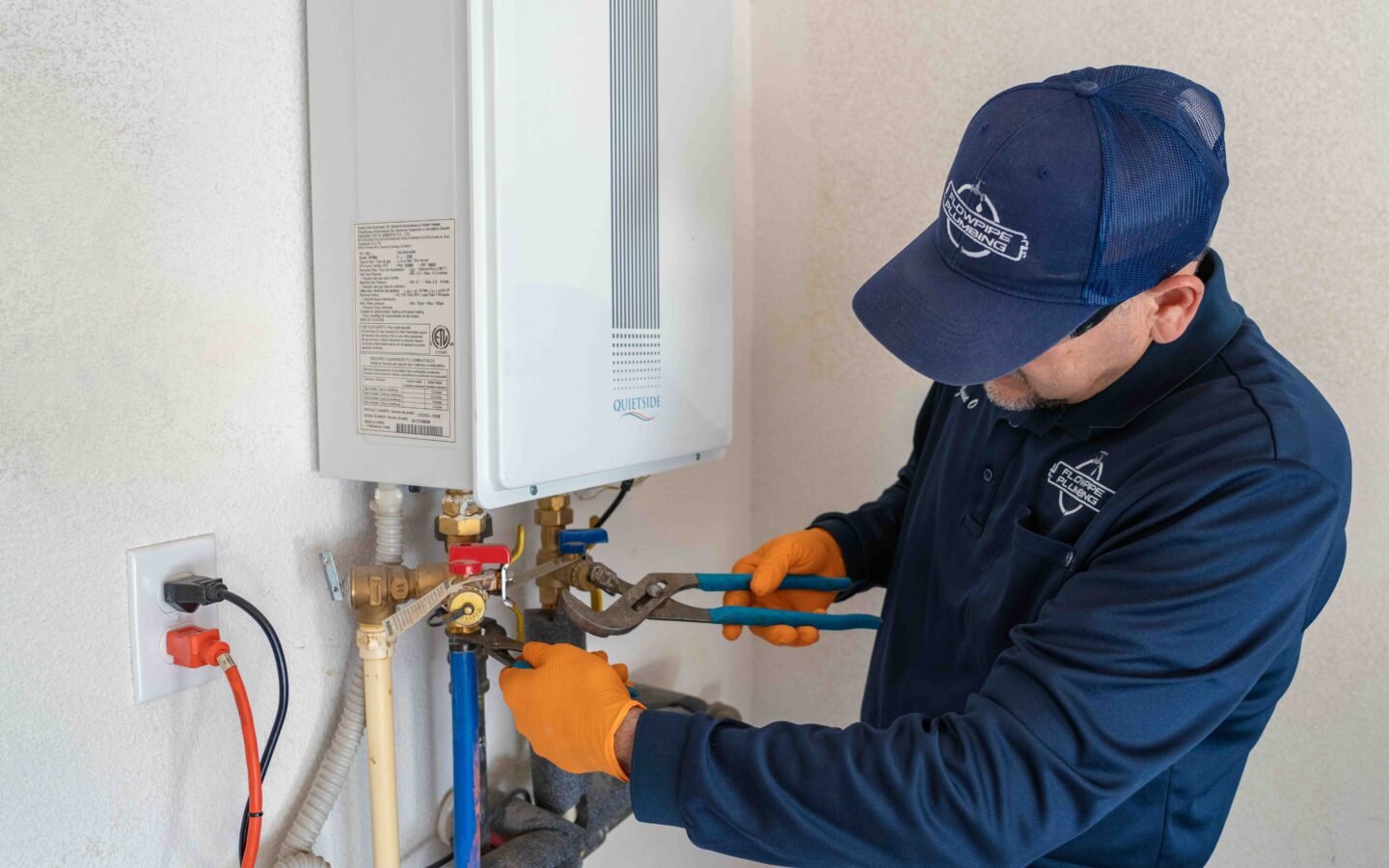
Regular tankless hot water heater service can help keep the unit operating efficiently and identify developing problems before they become major failures.
The exact maintenance schedule depends on the model, water conditions and usage, so manufacturer guidance and professional advice are important.
Choosing Between Tank and Tankless
There isn’t a universal winner when it comes to water heaters.
A conventional tank system may be practical for a household that wants a familiar setup with readily available stored hot water. Tankless equipment can be attractive when space is limited or on-demand heating fits the household’s usage pattern.
Installation requirements also differ.
Tankless units may require specific electrical capacity, gas supply, venting or plumbing modifications depending on the model. Simply removing an old tank and installing a tankless system isn’t always a straightforward swap.
Think about the whole system, not just the equipment brochure.
Water Pressure Can Affect Fixtures and Appliances
Water pressure plays a bigger role than many homeowners realize.
Low pressure can make showers frustrating and reduce flow at sinks. Excessively high pressure can put unnecessary stress on pipes, valves, fixtures and appliances.
If pressure suddenly changes throughout the home, don’t immediately assume every fixture has failed. The cause may be a valve, supply issue, clogged component or another system-wide problem.
Getting the source identified first is usually more efficient than replacing parts at random.
Don’t Ignore Small Leaks
A tiny leak may seem harmless, particularly when it’s somewhere out of sight.
Unfortunately, hidden leaks can cause gradual damage to cabinets, flooring, drywall and other materials. Moisture can also create unpleasant odors and contribute to deterioration over time.
Look for damp areas, water stains, peeling paint, swollen wood or unexplained increases in water usage.
A dripping faucet is another common example. Even if the water loss seems insignificant, constant dripping is a sign that something isn’t working as it should.
Small problems are generally easier to address before they become large ones.
Renovations Are the Perfect Time to Upgrade Plumbing
If you’re remodeling a kitchen or bathroom, don’t stop your planning at the visible fixtures.
Once walls or flooring are open, it may be easier to inspect older pipes, valves and connections. If you’re moving a sink or adding a new shower, the plumbing layout may also need modification.
This is where professional advice can save a lot of frustration.
It’s much easier to address an aging pipe while a wall is already open than to discover the problem after the new tiles have been installed.
Good Plumbing Is About More Than Repairs
A dependable plumbing professional should do more than fix the immediate symptom.
If a drain repeatedly blocks, they should look for the underlying cause. If a water heater keeps failing, they should help you understand whether continued repairs make sense. If a faucet keeps leaking, replacing the same washer over and over may not be the best long-term answer.
Good service involves diagnosis, communication and practical recommendations.
Homeowners don’t necessarily need the most expensive equipment or the newest technology. They need solutions that suit the property and the way the household actually uses water.
A Little Maintenance Goes a Long Way
Plumbing maintenance isn’t particularly glamorous, but it can save plenty of trouble.
Check exposed pipes occasionally. Look under sinks. Pay attention to changes in water pressure. Listen for unusual water-heater sounds. Notice when hot water performance changes.
And know where your main water shut-off valve is.
If a pipe bursts, those few seconds spent finding the valve can feel like an eternity.
Keep Your Plumbing Simple, Reliable and Ready
The goal of a good plumbing system isn’t to impress anyone. It’s to work quietly and reliably every day.
Faucets should open without leaks. Hot water should be available when you need it. Water heaters should operate safely and efficiently. Pipes should deliver water without creating unnecessary problems.
When something changes, don’t automatically wait for it to become an emergency. A strange sound, small leak or inconsistent temperature can be useful information.
Pay attention, maintain what you can and bring in professional help when the problem goes beyond a simple fix.
Because when plumbing works properly, you hardly notice it at all. And honestly, that’s probably the best compliment a home plumbing system can receive.