Most water problems don’t arrive like emergencies. They slip into your routine quietly—so quietly, in fact, that you don’t notice them at first.
It starts with something small. A faint film on your glassware. A shower door that never quite looks clean, no matter how often you wipe it. A kettle that needs descaling more often than it should.
You shrug it off. Life moves on.
But then those little things keep showing up. And slowly, they start to feel like more than just coincidence.
The Residue That Won’t Go Away
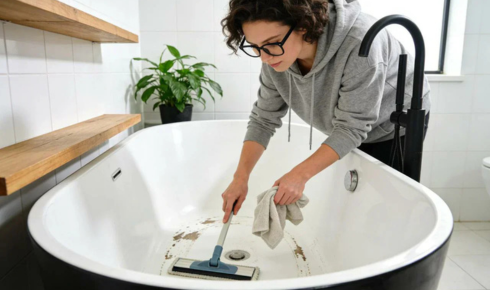
If you’ve ever cleaned your bathroom only to see those dull streaks return within days, you’re not alone.
That stubborn layer—often referred to as soap scum—is one of the most common signs that your water isn’t interacting with soap the way it should.
It forms when minerals in water combine with soap, leaving behind that sticky, cloudy residue on tiles, glass, and fixtures. And the frustrating part? No matter how hard you scrub, it tends to come back.
It’s not about poor cleaning habits. It’s about how your water behaves.
When Minerals Leave Their Mark
Beyond soap scum, there’s another kind of residue that’s even harder to ignore.
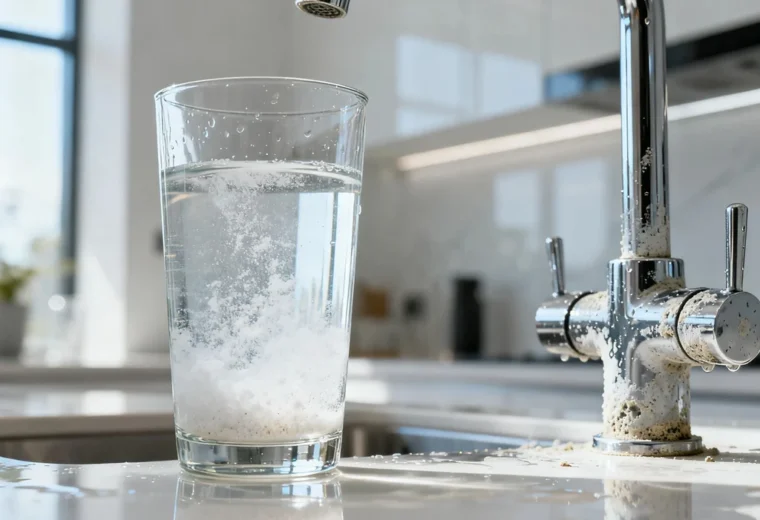
You’ll see it around faucets, inside kettles, or on showerheads—a white, chalky buildup that seems to appear out of nowhere.
This is where limescale prevention becomes part of the conversation.
Limescale forms when mineral-rich water dries and leaves deposits behind. Over time, it doesn’t just affect how things look—it can impact how they function.
Showerheads clog. Water pressure drops. Appliances start working harder than they should.
And while it’s not dangerous, it’s definitely inconvenient.
The Cost You Don’t Always See
What many people don’t realize is how these small issues ripple into larger ones.
That buildup inside your kettle? It’s not just cosmetic—it affects heating efficiency. The residue in your washing machine? It can shorten the lifespan of internal components.
This is where the idea of appliance protection becomes more relevant than it first appears.
When water is balanced, appliances tend to run more efficiently. They last longer. They require less maintenance.
But when water carries excess minerals, those systems slowly wear down. Not overnight, but over time.
And that gradual wear is what often leads to unexpected repairs or replacements.
Why It Shows Up in Everyday Life
What’s fascinating about water is how deeply it’s woven into your routine.
It’s not just in one place—it’s everywhere. Your kitchen, your bathroom, your laundry. Every tap, every appliance, every surface it touches.
So when something is slightly off, you don’t notice it in one big way. You notice it in dozens of small ones.
A little more cleaning here. A bit more effort there. Slightly less comfort in your daily routine.
And while none of it feels urgent, it adds up.
Understanding What’s Really Happening
At the root of most of these issues is mineral content—specifically how water interacts with the surfaces and products you use every day.
It’s not about something being “wrong” with your water. It’s about how that water behaves in your home.
Once you understand that, everything starts to make more sense.
The residue, the buildup, the extra cleaning—it’s all connected.
Finding a Better Balance
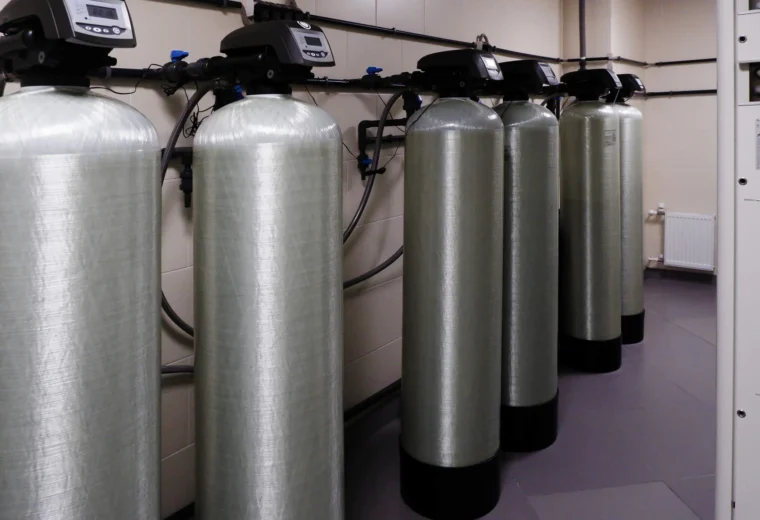
The goal isn’t to eliminate everything from your water. It’s to bring it into balance.
When water is properly adjusted, those everyday frustrations begin to fade. Cleaning becomes easier. Surfaces stay clearer. Appliances run more smoothly.
It’s not a dramatic change. It’s a quiet one.
And that’s what makes it so effective.
A Change You Feel More Than You See
Improving your water isn’t something you notice all at once.
There’s no big reveal moment. No dramatic before-and-after. Instead, it’s gradual.
Your cleaning routine feels easier. Your home feels more manageable. Your appliances seem to work without as much effort.
And then, after a while, it becomes normal.
You stop thinking about it—because everything is working the way it should.
A Final Thought, Just to Sit With
Water is one of those things we rely on constantly, yet rarely question.
But when you start paying attention—even just a little—you realize how much it shapes your daily life.
Not in big, obvious ways. In small, consistent ones.
And sometimes, those small improvements—the ones you barely notice at first—end up making the biggest difference over time.