
There’s a certain moment you don’t plan for—the first time a door really proves itself. Not when it’s newly installed and everything looks perfect, but months later… maybe during a heavy rain, or on a day when the heat feels relentless. That’s when you notice whether it was a good choice or just a good-looking one.
Because doors, like most things in a home, reveal their true value over time.
The Reality of Everyday Exposure
We tend to underestimate what a door goes through. It’s not just opened and closed a few times a day—it faces sun, dust, humidity, sudden weather shifts. And slowly, all of that leaves its mark.
That’s why finishes matter more than people realise.
A proper rust resistant finish isn’t just about keeping the door looking new. It’s about protecting the material underneath from the kind of gradual damage that’s easy to ignore at first but hard to fix later. Especially in areas where moisture lingers, even a small layer of protection can make a big difference over the years.
I’ve seen doors that looked flawless in the beginning but started showing signs of wear surprisingly quickly. And then there are those that age more gracefully, holding onto their character without falling apart. The difference usually starts at the surface.
The Quiet Role of Sealing Things Right
Not all problems are visible. Some you feel before you see.
Like that faint draft that creeps in during cooler evenings. Or the way outside noise seems just a little too present, even when everything is closed. It’s subtle, but it adds up.
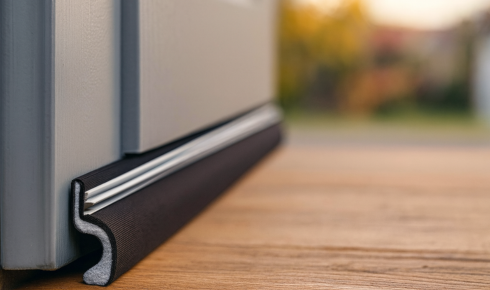
That’s where weather stripping comes into play. It’s one of those behind-the-scenes details that rarely gets attention, yet it affects comfort in a very real way. A well-sealed door keeps the inside environment stable—less heat escaping, less dust entering, fewer distractions from outside.
You don’t notice it when it’s working well. But when it’s not there, or poorly done, you definitely feel the difference.
Strength That Stays Consistent
Of course, beyond finishes and seals, there’s the structure itself. The core of the door. And this is where material choice becomes hard to ignore.
Many homeowners eventually lean toward steel doors, not because they’re trendy, but because they’re reliable. Steel holds its shape. It doesn’t warp easily. It handles changing weather without putting up much of a fight.
And modern designs have softened its reputation. It’s no longer just about strength—it’s about blending that strength with clean, adaptable styles that work in different kinds of spaces.
You get durability, without sacrificing how the door looks or feels.
It’s About How It Lives With You
Here’s something people don’t always think about: a door isn’t just installed and forgotten. It becomes part of your routine.
You interact with it when you’re in a rush, when you’re tired, when you’re carrying groceries or welcoming guests. Over time, those small interactions define how you feel about it.
A door that sticks, creaks, or lets in drafts becomes a daily annoyance. On the other hand, one that opens smoothly, closes cleanly, and keeps the outside where it belongs—well, that just makes life a bit easier.
And ease, honestly, is underrated.
The Long-Term View
It’s tempting to make decisions based on how something looks in the moment. After all, that’s what we see first. But doors aren’t short-term choices. Once they’re in place, they stay.
Which makes it worth thinking a little further ahead.
How will it handle the next season? Or the one after that? Will it still feel solid after years of use? Will it still look good without constant maintenance?
The answers to those questions usually come back to the same things: finish, sealing, and structure.
Not Perfect—Just Right
One thing I’ve learned is that a good door doesn’t need to be perfect. It doesn’t need to impress everyone or follow the latest design trend.
It just needs to do its job well. To fit the space, handle the environment, and quietly support your daily routine without becoming a problem.
Sometimes, that means choosing practicality over flash. Sometimes, it means paying attention to details that aren’t immediately visible.
And that’s okay.
A Thought to Take With You
At the end of the day, a door is something you rely on more than you realise. It protects, it separates, it frames your entry and exit without asking for much in return.
But when it’s built with care—when the finish resists wear, the seals keep things tight, and the structure holds strong—it gives something back.
Not in a dramatic way. Just in the form of comfort, consistency, and a quiet sense that things are working exactly as they should.
And honestly, that’s more valuable than it sounds.