For a long time, most people assumed their water was probably fine as long as it looked clear and didn’t smell strange. That was the standard. You filled a glass, turned on the shower, made coffee, and carried on with life without thinking much about what might actually be flowing through the pipes.
But over the last few years, something has shifted.
People ask more questions now. They read reports about aging infrastructure, contamination issues, and changing water conditions. Suddenly, water stopped being one of those invisible background conveniences and became something worth paying attention to.
Honestly, it’s understandable. Water touches almost every part of daily life. We drink it, cook with it, wash our clothes in it, and stand under it every morning before work. When there’s uncertainty around something that constant, people naturally want reassurance.
Clean Water Means More Than Just Taste
Most homeowners first notice water quality through taste or smell. Maybe the tap water tastes metallic after heavy rain. Maybe there’s a faint chlorine odor in the shower. Small things like that tend to spark curiosity.
But the bigger concern often goes beyond flavor.
Many families are becoming more aware of hidden contaminants and biological risks that aren’t visible to the naked eye. Water can appear perfectly clean while still containing unwanted organisms or impurities.
That’s one reason modern filtration and purification systems have become more common in both homes and businesses. People want confidence in the water they use every day, not just water that “seems okay.”
The Quiet Importance of Proper Filtration
What’s interesting about water systems is how quietly they improve everyday life. Nobody installs a filtration setup expecting some dramatic cinematic moment. Usually, the benefits show up gradually.
Coffee tastes cleaner. Ice cubes become clearer. Showers feel less harsh on the skin. Appliances stay cleaner longer.
And underneath all of that, there’s another important layer people care about more and more — bacteria reduction.
For households using private wells or living in areas with inconsistent water quality, reducing bacterial contamination isn’t just about convenience. It’s about health and peace of mind. Parents especially tend to think differently about water once children are involved.
You start noticing things you ignored before.
Why Water Concerns Feel More Personal Now
Part of the reason homeowners are more cautious today comes from how connected information has become. News spreads quickly. Reports about contamination issues in one city instantly reach people hundreds of miles away.
Even if your own water supply is safe, those stories tend to stick in your head a little.
I remember talking with a homeowner who installed a purification system shortly after hearing about local boil advisories in a neighboring town. Their own water hadn’t tested unsafe, but the situation made them realize how dependent daily life really is on reliable water systems.
And once that thought enters your mind, it’s hard to completely ignore it.
Modern Systems Focus on More Than One Problem
Older filtration systems often targeted a single issue, like sediment or chlorine taste. Modern systems are usually more comprehensive.
Some households combine softening systems with UV purification or advanced filtration technologies to improve multiple aspects of water quality simultaneously. Others focus specifically on health-related concerns tied to virus reduction and microbial control.
The good news is homeowners now have far more options than they did years ago. Systems can be tailored to local water conditions instead of relying on one-size-fits-all solutions.
That flexibility matters because no two homes really have identical water challenges.
Invisible Problems Are Still Real Problems
One of the strange things about water contamination is how invisible it often feels. You can’t see most harmful particles or biological organisms floating in a glass of water.
That invisibility sometimes creates false confidence.
People assume if water looks normal, it probably is normal. But many harmful microorganisms are impossible to detect without proper testing. That’s why professional water analysis remains such an important step before choosing treatment equipment.
Testing removes guesswork. Instead of relying on assumptions, homeowners get a clearer picture of what’s actually happening inside their water supply.
And honestly, knowing the facts usually feels less stressful than uncertainty.
Water Quality Impacts More Than Drinking
Another thing people overlook is how much water affects daily comfort outside the kitchen sink.
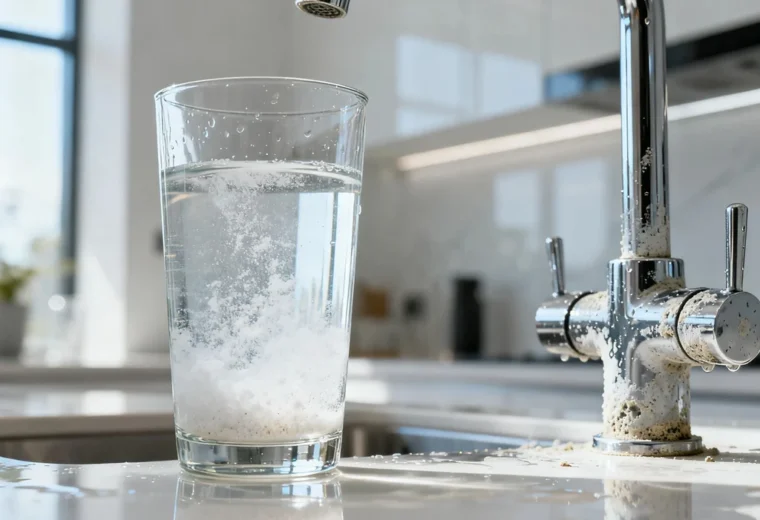
Water quality influences skin, hair, laundry, appliances, plumbing, and even indoor smells. Hard water minerals build up slowly inside pipes and water heaters. Certain contaminants can affect shower comfort or leave residue on dishes and glassware.
That’s why many homeowners eventually move beyond simple faucet filters toward more complete treatment systems.
Once people experience the difference firsthand, it tends to reshape how they think about home comfort overall.
Better Water Creates Quiet Peace of Mind
The funny thing about improving water quality is that the biggest benefit often isn’t visible at all. It’s the absence of worry.
You stop second-guessing whether the tap water tastes odd today. You stop noticing buildup around faucets every week. You stop wondering if your appliances are slowly being damaged by minerals or sediment.
Life simply feels easier.
At the end of the day, water safety isn’t really about fear or obsessing over every possible contaminant. It’s about creating a home environment that feels healthier, more reliable, and more comfortable for the people living there.
And maybe that’s why so many homeowners are finally paying closer attention now. Not because water suddenly became important, but because people are realizing just how important it always was.