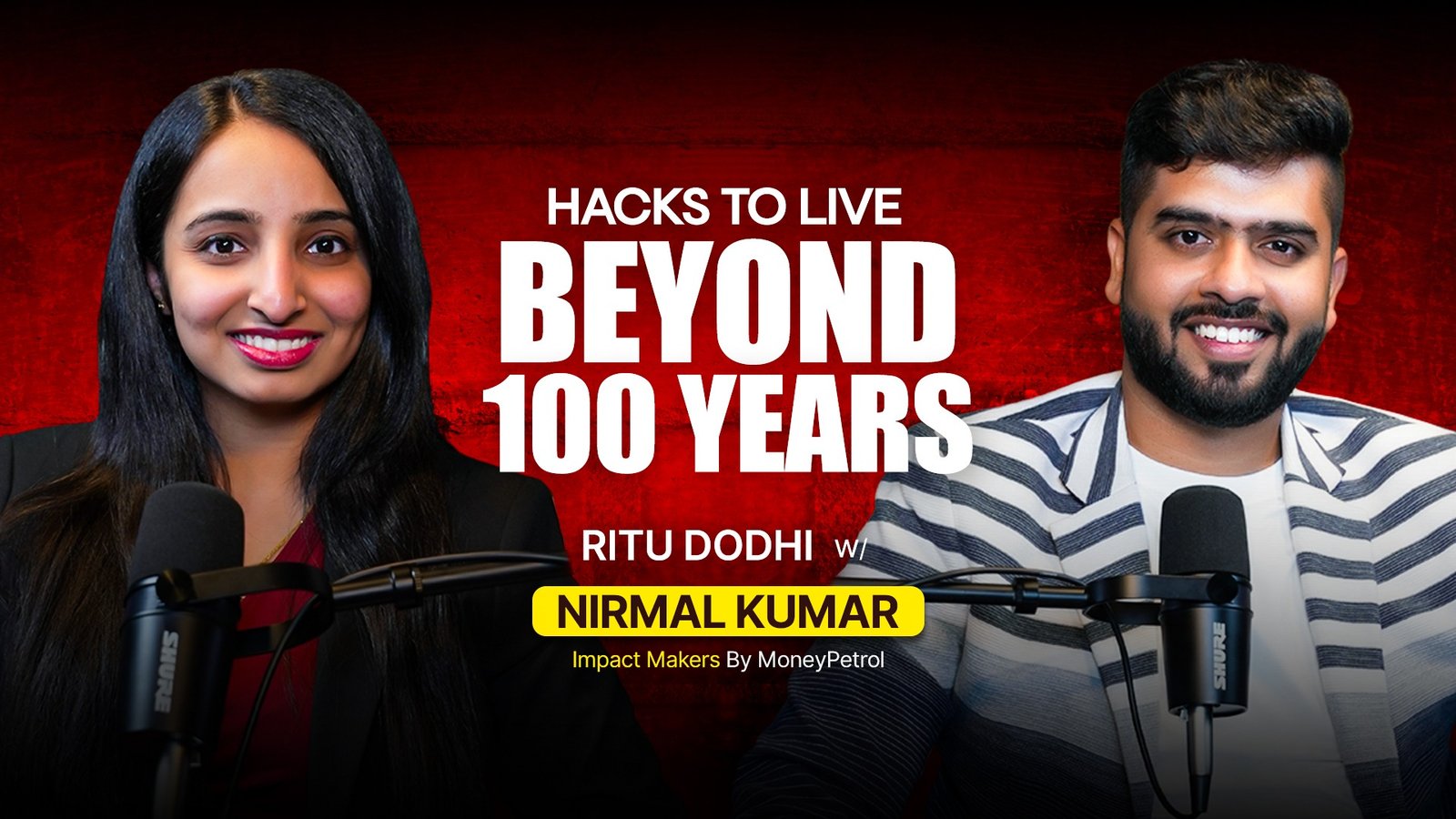
The Nirmal Kumar Podcast has opened up meaningful conversations about health, mindfulness, and the deeper science behind living a longer and more balanced life. In an era where people are constantly searching for quick fixes and temporary wellness trends, there is growing interest in understanding the long-term habits that truly support physical and mental well-being. Through thoughtful discussions and practical insights, Nirmal Kumar explores how small lifestyle changes can create lasting improvements in overall health and longevity.
The Modern Obsession With Wellness
Over the past decade, wellness has evolved from a niche interest into a global movement. People are becoming increasingly aware that health is not limited to appearance or fitness goals. True wellness involves emotional stability, mental clarity, quality sleep, proper nutrition, and sustainable daily habits.
Despite this awareness, modern lifestyles often work against long-term health. Stress, digital overload, poor eating habits, and lack of movement have become common challenges for people across different age groups. This is why conversations around longevity are gaining attention. Individuals are no longer asking only how to live longer, but how to live better.
Nirmal Kumar emphasizes that wellness should not feel overwhelming or unrealistic. Instead of chasing extreme routines, he encourages people to focus on consistency and balance. This approach resonates strongly because it feels practical and achievable in everyday life.
Understanding Longevity Beyond Age
Longevity is often misunderstood as simply increasing lifespan. However, living longer has little value without maintaining physical energy, mental sharpness, and emotional well-being. Healthy longevity focuses on improving the quality of life over time rather than merely extending the number of years lived.
Scientific research increasingly shows that daily habits influence long-term health more than genetics alone. Sleep quality, stress management, nutrition, and regular movement all play significant roles in supporting the body’s natural repair systems. Nirmal Kumar frequently discusses how modern science continues to validate many traditional wellness principles that have existed for centuries.
The human body has remarkable resilience when given the right conditions. Small but intentional improvements in lifestyle can reduce inflammation, strengthen immunity, and improve mental focus. These seemingly simple practices often create powerful long-term results.
The Role of Mindset in Overall Health
One of the most overlooked aspects of wellness is mindset. Many people focus heavily on physical health while ignoring the impact thoughts and emotions have on the body. Chronic stress, anxiety, and emotional exhaustion can quietly affect energy levels, sleep patterns, and immune function.
Nirmal Kumar often highlights the strong connection between mental and physical well-being. A calm and balanced mindset supports healthier decision-making, better emotional resilience, and improved overall health outcomes. Practices such as mindfulness, meditation, and self-awareness are becoming increasingly important in modern wellness conversations.
Mental clarity also influences how people respond to challenges and uncertainty. Individuals who develop emotional balance tend to handle stress more effectively and maintain healthier habits over time. Wellness, therefore, becomes a combination of physical care and psychological strength.
Nutrition and the Science of Sustainable Energy
Modern nutrition trends often promote restrictive diets and short-term transformations. However, long-term wellness depends more on sustainability than extreme changes. The body requires consistent nourishment, hydration, and balance to function optimally.
Nirmal Kumar encourages a realistic and mindful approach to nutrition rather than promoting temporary diet culture. Whole foods, balanced meals, and conscious eating habits contribute significantly to energy levels and metabolic health. People are beginning to understand that nutrition is not just about weight management but about supporting brain function, hormonal balance, and long-term vitality.
There is also growing awareness around the relationship between food and inflammation. Processed foods, excessive sugar intake, and irregular eating patterns can negatively affect both physical and mental health. A balanced nutritional approach helps support the body’s natural healing and recovery systems.
Movement as a Foundation for Longevity
Exercise is often associated with physical appearance, but its impact extends far beyond aesthetics. Regular movement supports heart health, cognitive function, mobility, and emotional well-being. Even moderate physical activity can improve circulation, reduce stress, and enhance quality of life.
Nirmal Kumar discusses movement as a lifelong practice rather than a short-term fitness goal. Walking, stretching, strength training, and mindful movement all contribute to maintaining energy and independence with age. Consistency matters far more than intensity when it comes to sustainable wellness.
As people spend more time in sedentary work environments, movement becomes even more important. Simple daily routines that encourage mobility and physical engagement can significantly improve long-term health outcomes.
The Importance of Sleep and Recovery
In today’s fast-paced culture, sleep is often sacrificed in pursuit of productivity. However, inadequate rest affects nearly every aspect of health, including cognitive performance, emotional stability, and immune strength. Recovery is not a luxury; it is an essential part of wellness.
Nirmal Kumar frequently speaks about the importance of quality sleep in supporting longevity and mental clarity. During rest, the body repairs tissues, regulates hormones, and processes information accumulated throughout the day. Poor sleep habits can gradually contribute to fatigue, mood imbalance, and chronic health issues.
Creating healthier sleep routines does not always require drastic changes. Reducing screen exposure before bedtime, maintaining consistent sleep schedules, and managing stress can greatly improve rest and recovery over time.
Creating a More Balanced Future
The conversation around longevity and wellness is evolving rapidly. People are moving away from superficial health trends and becoming more interested in sustainable living, emotional balance, and preventive care. Wellness is increasingly viewed as an ongoing lifestyle rather than a temporary goal.
Nirmal Kumar continues to inspire audiences by simplifying complex wellness concepts into practical, relatable ideas. His perspectives encourage people to focus on long-term habits that support both physical vitality and emotional resilience. As more individuals seek meaningful conversations around health and mindful living, thoughtful platforms similar to many popular Dubai podcasts are helping reshape how modern wellness is understood and practiced across different communities.